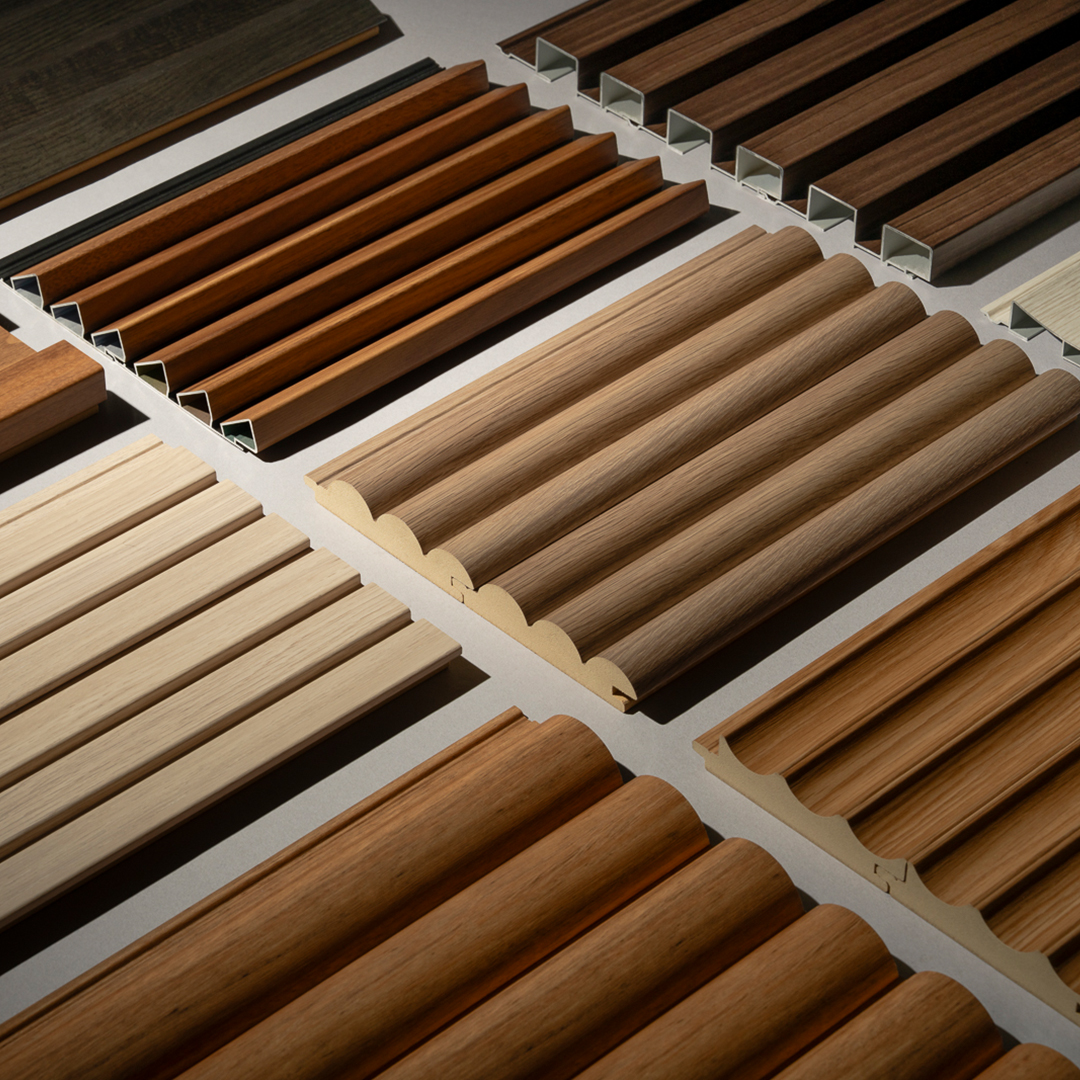
Your Sample Kit
 Order Samples.
Select up to 3 profiles (with a maximum of 1 Panel)
and up to 3 finishes, and we'll deliver them to you complimentary.
Need help? Contact us.
Browse and download our new Revit (BIM) Library! Click HERE to build your perfect project.
Order Samples.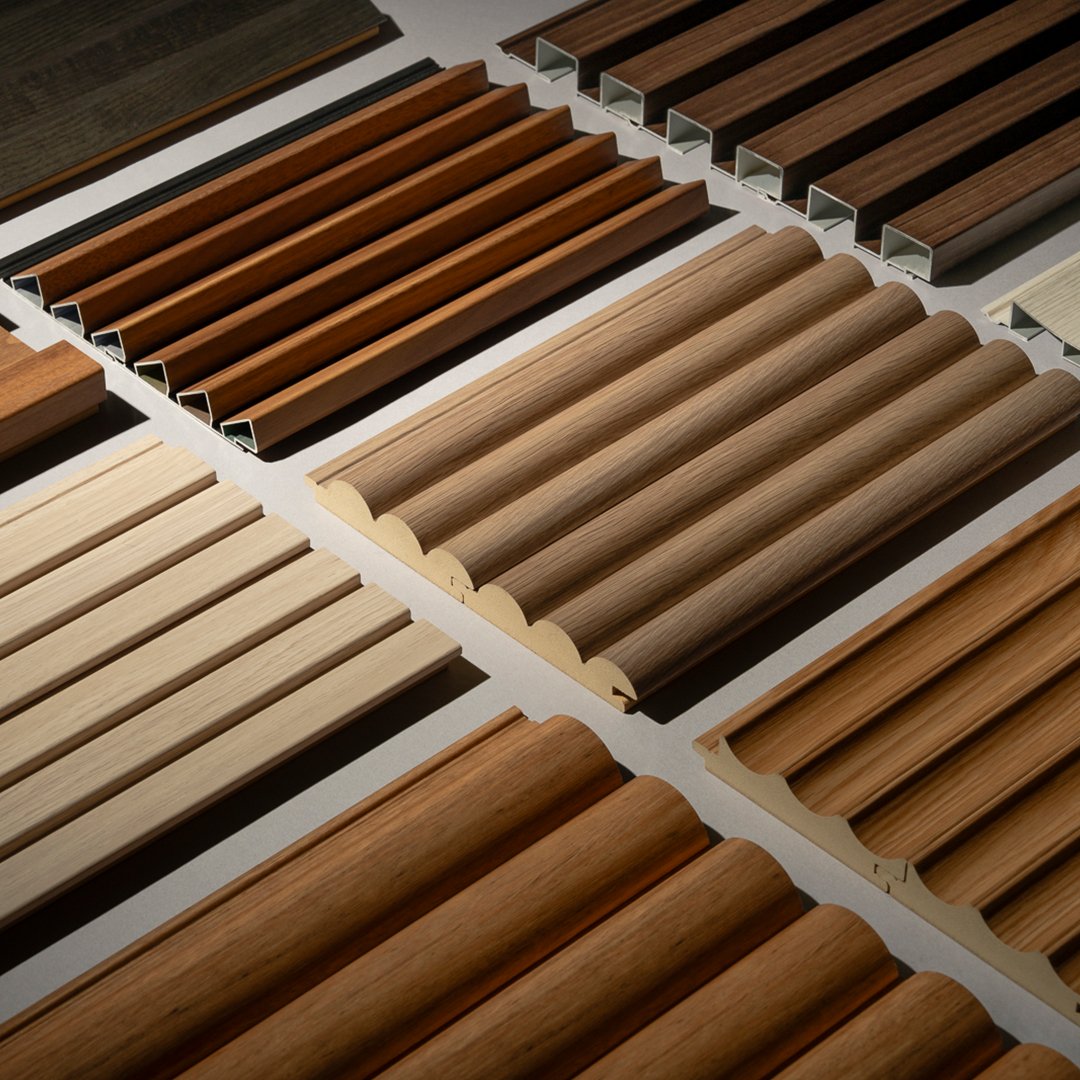
The prefinished, sculpted tongue and groove lining system.
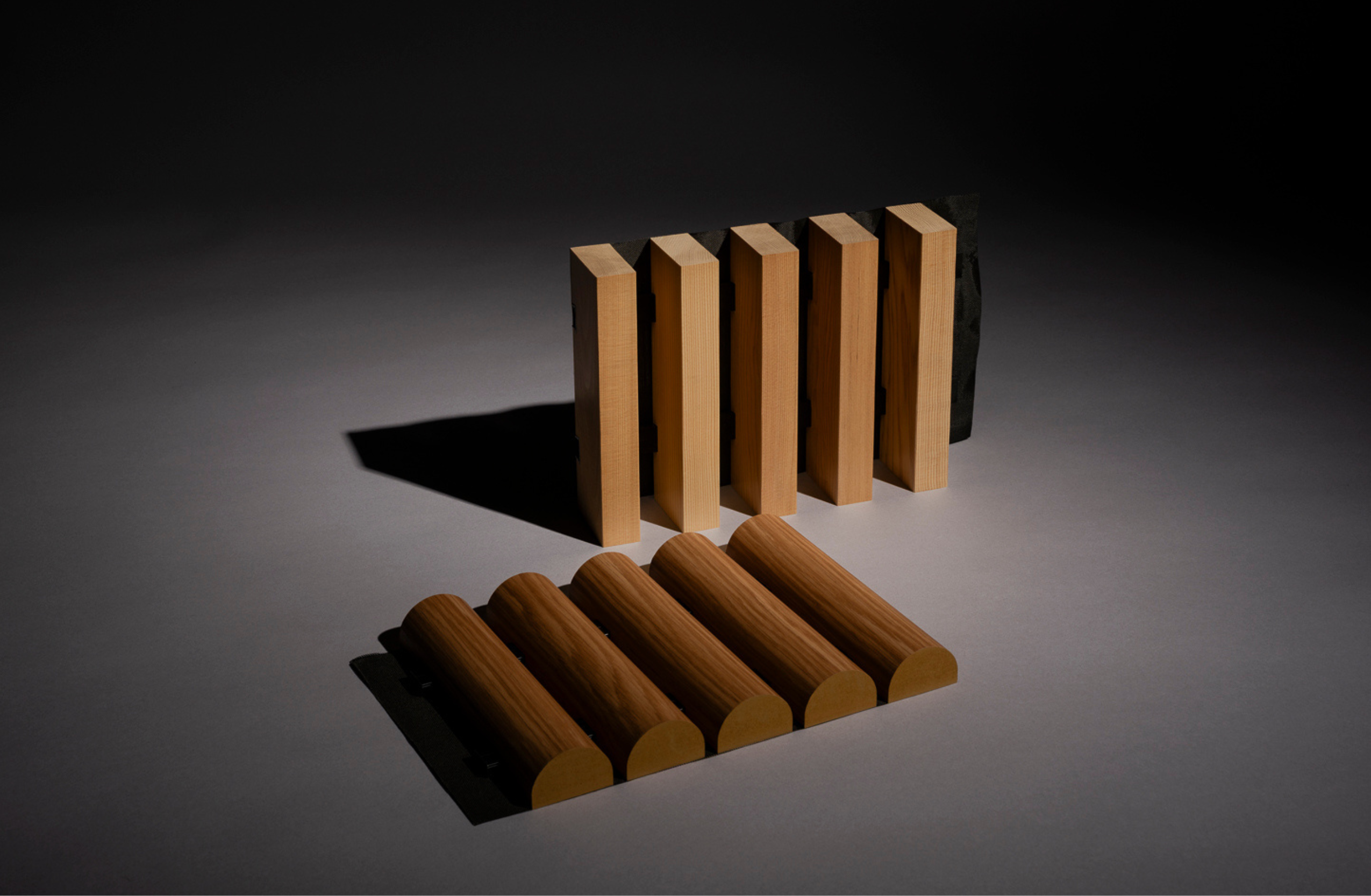
The prefinished AND preassembled acoustic linear batten system.
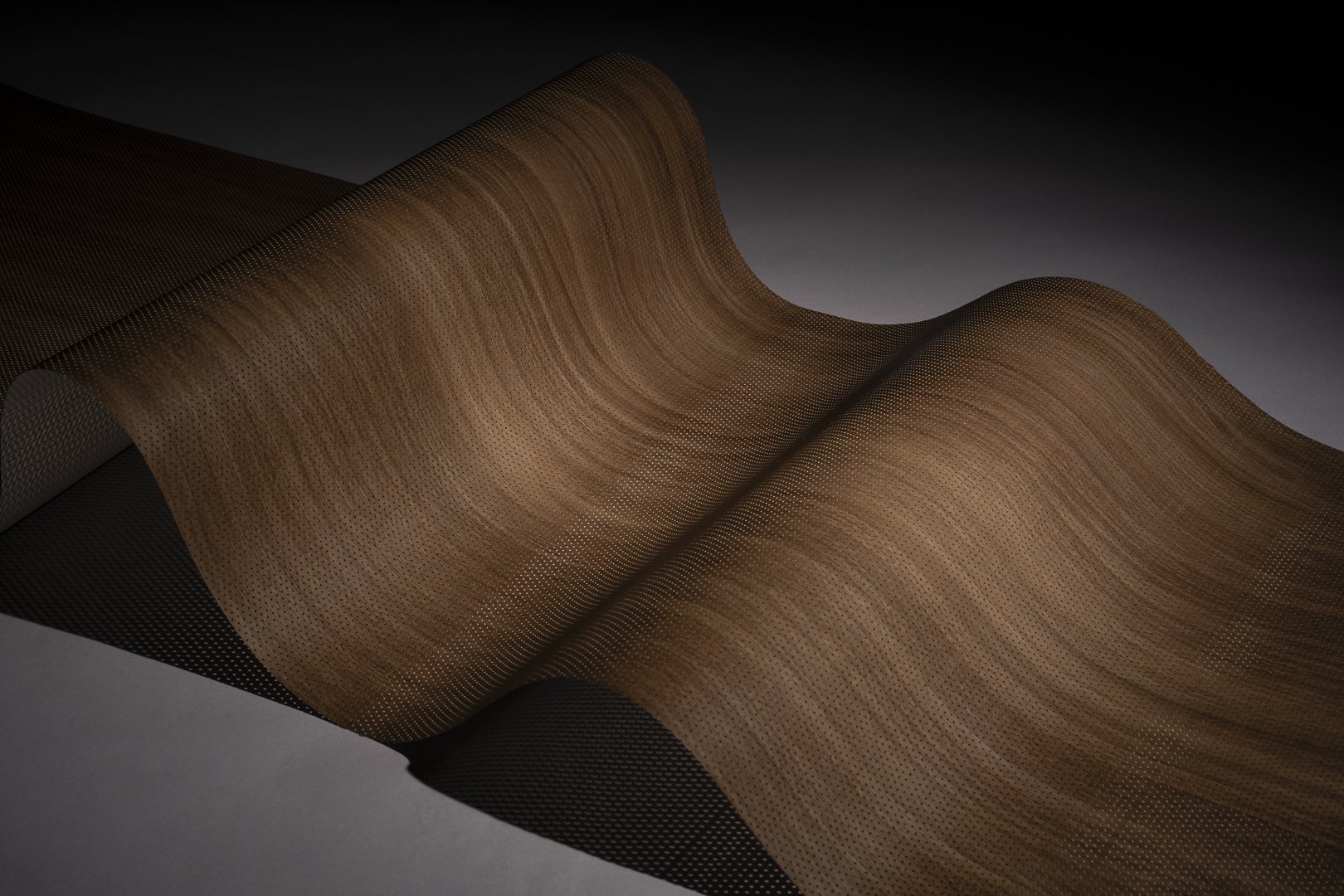
Award winning Group 1 perforated wall covering for high acoustic comfort.
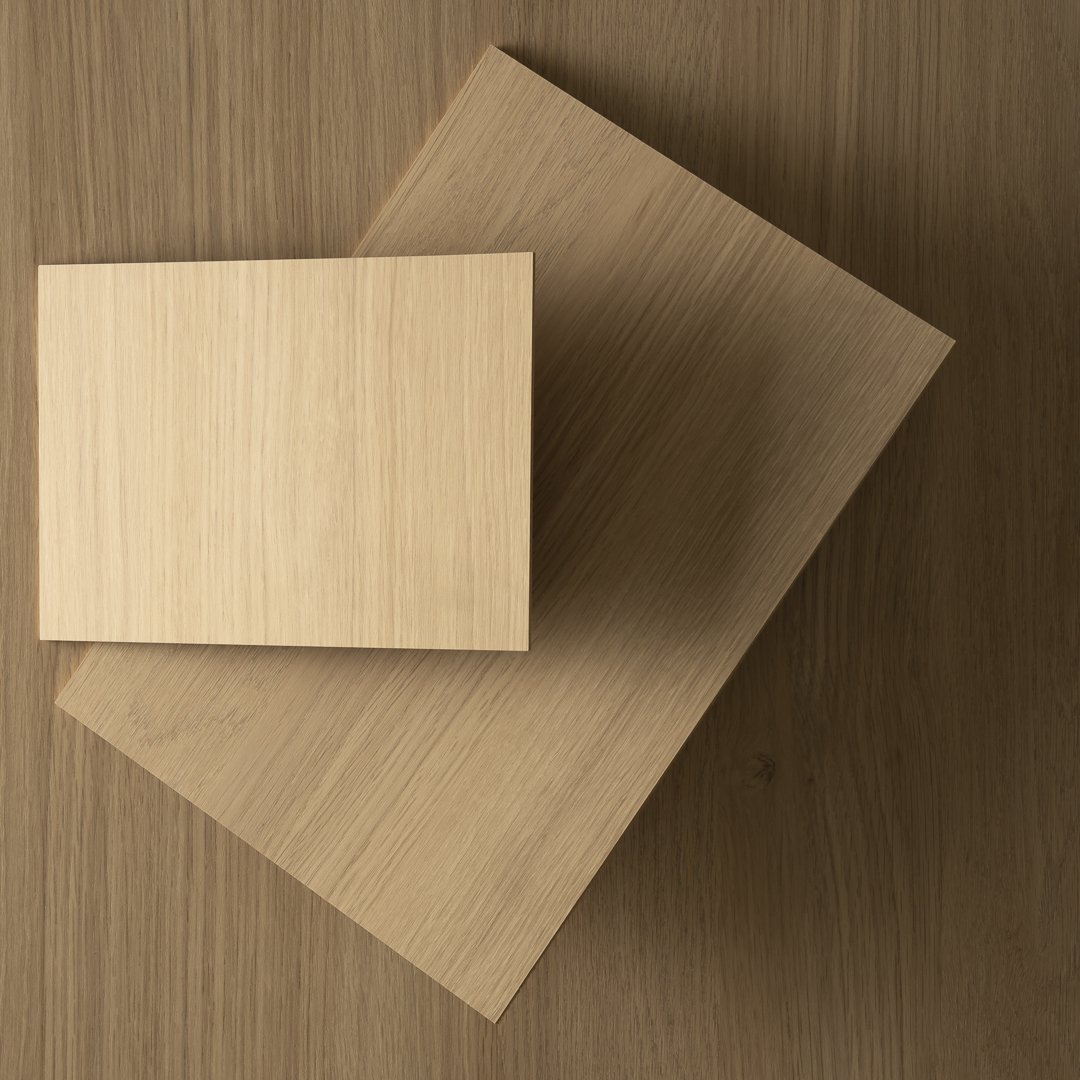
Explore our comprehensive range and find the perfect finish for your project.
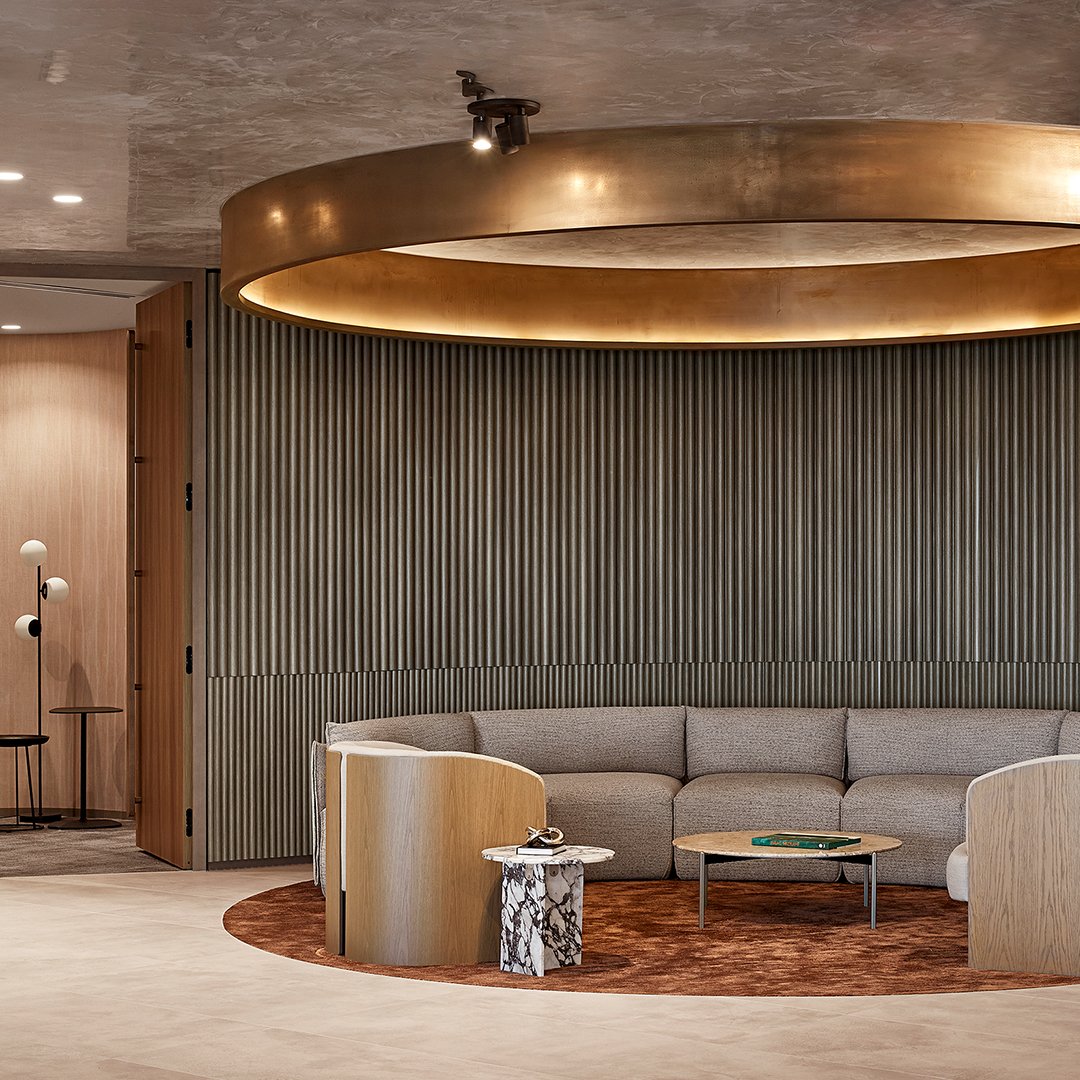
Need inspiration?
Check out our latest projects.
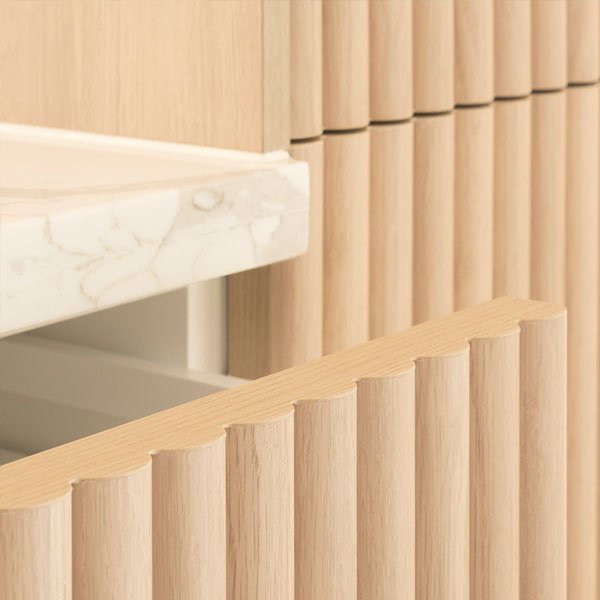
Take a closer look.
Explore finishing details.
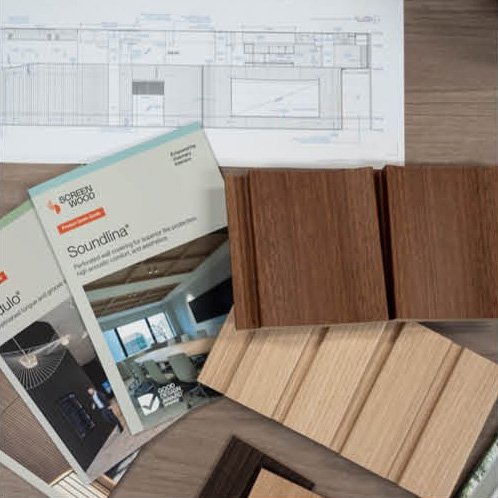
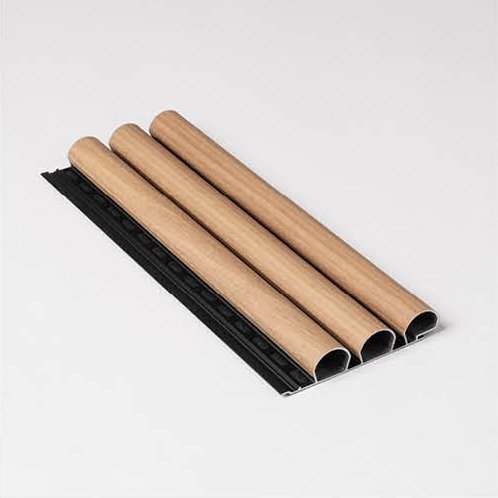
Streamline your workflow with our ready-to-use design files.
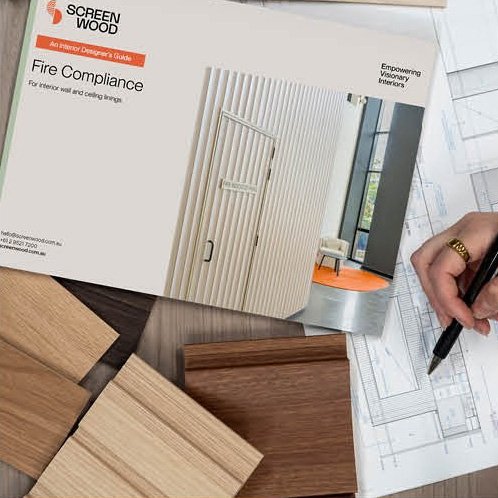
Find educational resources on topics like reverberation control and fire compliance.
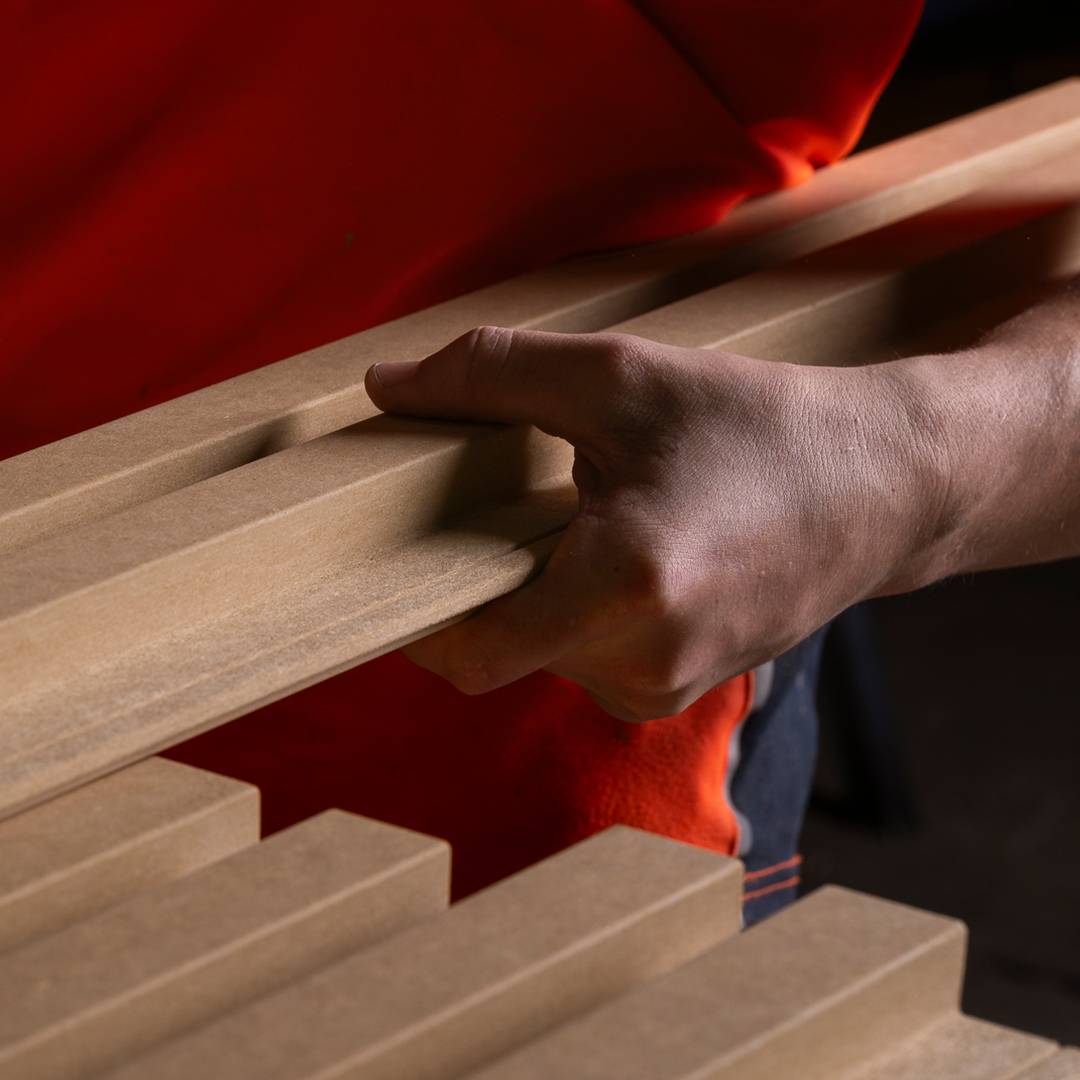
Over 20 years of Australian manufacturing.

The experts behind our products and support.

Environmental responsibility in action.

Latest projects, products and insights.
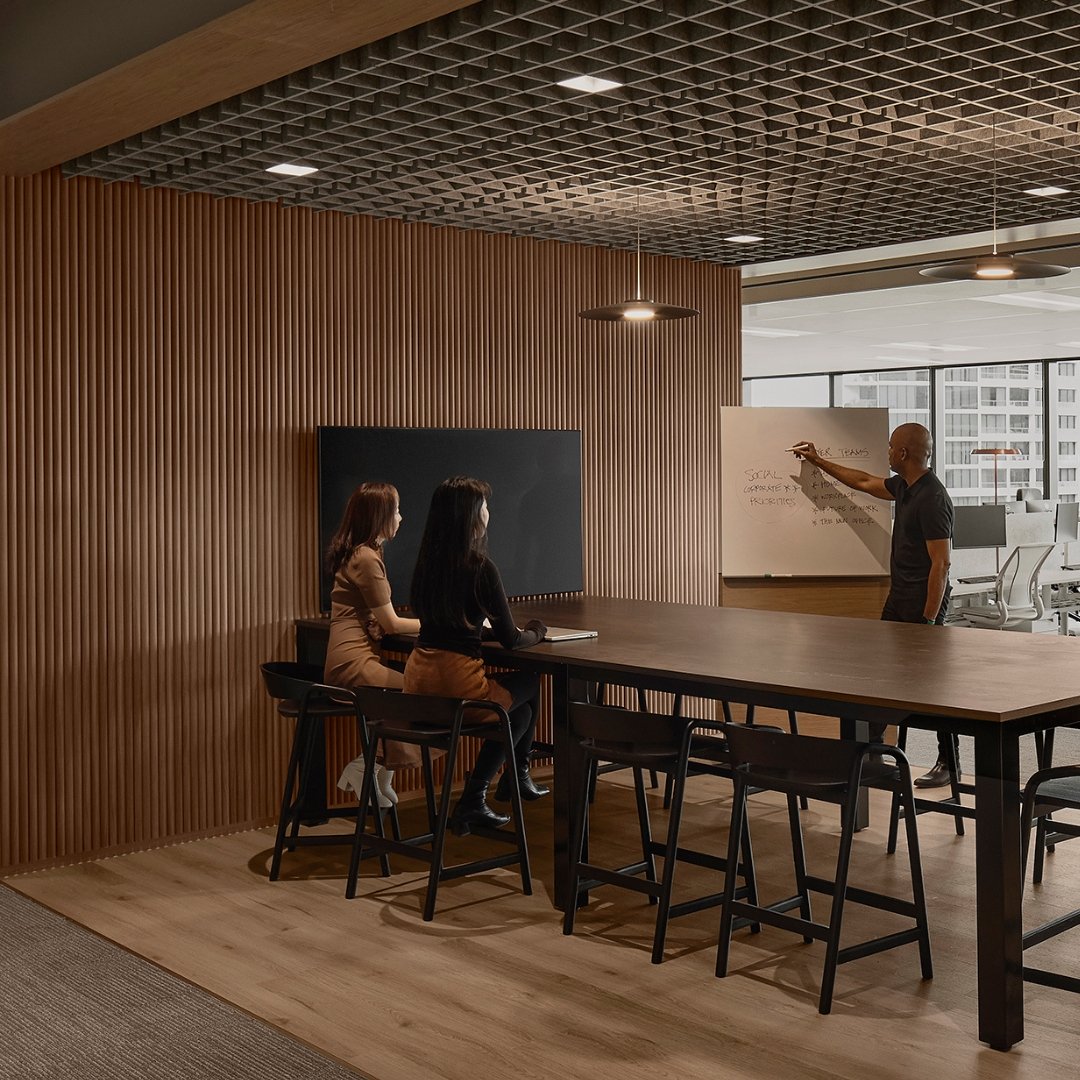

Acoustic Design for Schools and Universities: Specifying Linings That Support Learning
A student who cannot clearly hear their teacher is at a significant disadvantage. This sounds obvious, but the acoustic performance of Australian educational spaces is often an afterthought in both design and construction briefs.
The consequences are measurable. Research consistently links excessive reverberation in classrooms to reduced speech intelligibility, higher cognitive load, and poorer academic outcomes, particularly for younger students, non-native language speakers, and those with hearing difficulties.
What the standards say
The Building Code of Australia and Australian Standard AS/NZS 2107 provide acoustic benchmarks for educational buildings. A reverberation time of 0.4–0.6 seconds is typically recommended for general classrooms. Lecture theatres and performance spaces have different targets. The key metric is speech intelligibility, the proportion of spoken words correctly understood, which is directly affected by reverberation time and background noise level.
Where the acoustic load falls
In a standard classroom, the ceiling is the dominant reflective surface. Hard concrete, plasterboard, or metal deck ceilings create long reverberation times regardless of what else is done in the space. Addressing the ceiling is almost always the highest leverage intervention.
Walls, particularly the rear wall opposite the teaching position, are the second priority. A hard rear wall creates a direct reflection back toward the front of the room that significantly degrades speech intelligibility.
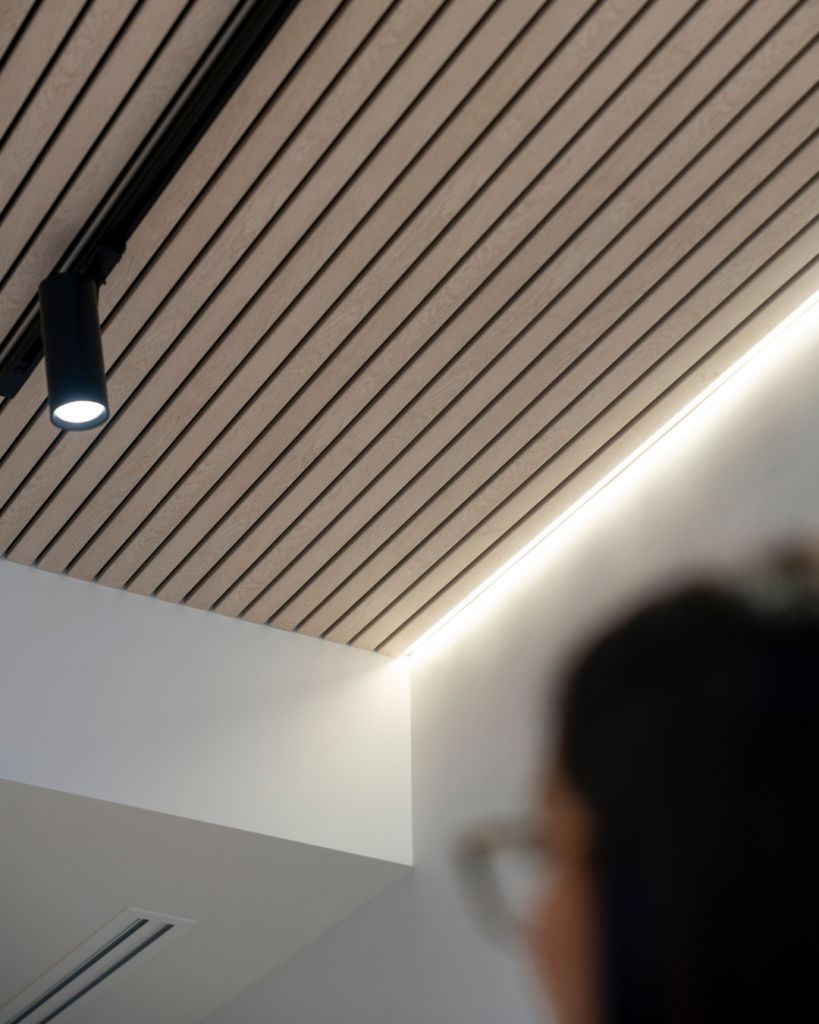
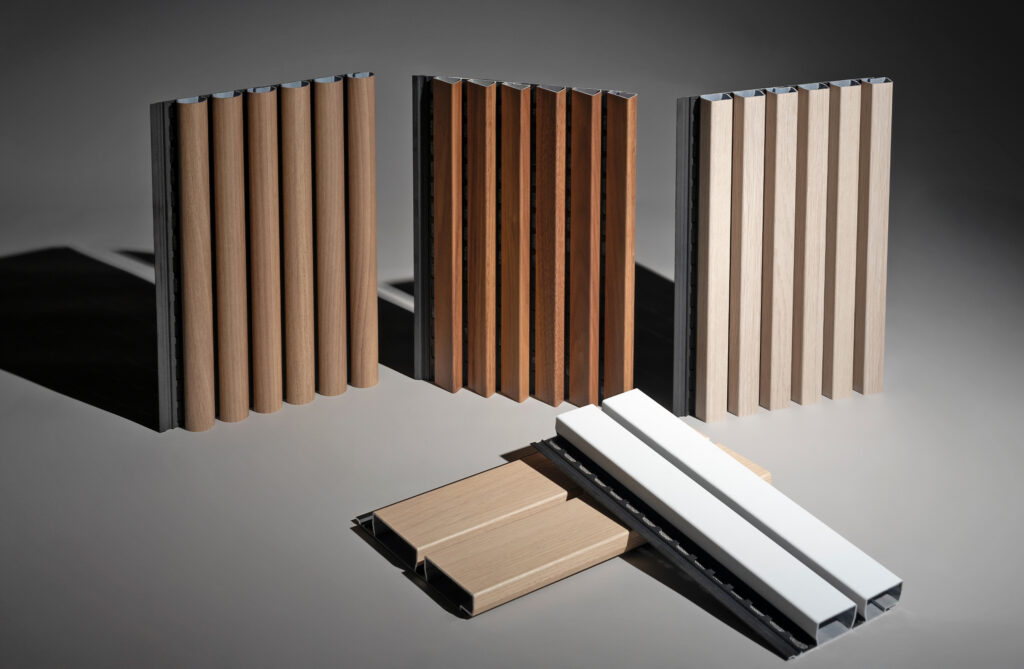
Specifying acoustic linings for education
Modulo® Acoustic, with its aluminium substrate and NRC up to 0.75, is well suited to ceiling installation in educational environments. The Linea 40 and Linea 65 profiles create a refined, linear ceiling aesthetic that reads as contemporary rather than institutional.
Group 1 fire rating means compliance is not compromised.
For wall applications, particularly in higher education spaces where design ambition is greater, Modulo® Acoustic profiles combined with an acoustic backing deliver both NRC performance and the biophilic, timber look aesthetic that characterises contemporary campus design.
The wellbeing dimension
Acoustic performance is not only about test scores. Students and teachers in quieter, less reverberant environments report lower levels of fatigue, higher concentration, and greater overall satisfaction with their space. For educational institutions making the case for capital investment in fitout quality, this is a compelling argument.
Specifying acoustic linings that also carry sustainability credentials, and Global GreenTag certification, supports schools and universities with formal sustainability commitments and green building targets.
For acoustic design guidance, benchmark NRC data, and product selection support for education projects, download the Screenwood Education Acoustics Guide from screenwood.com.au/e-guides/ or speak to the Screenwood technical team.

Step 4: Select your finish
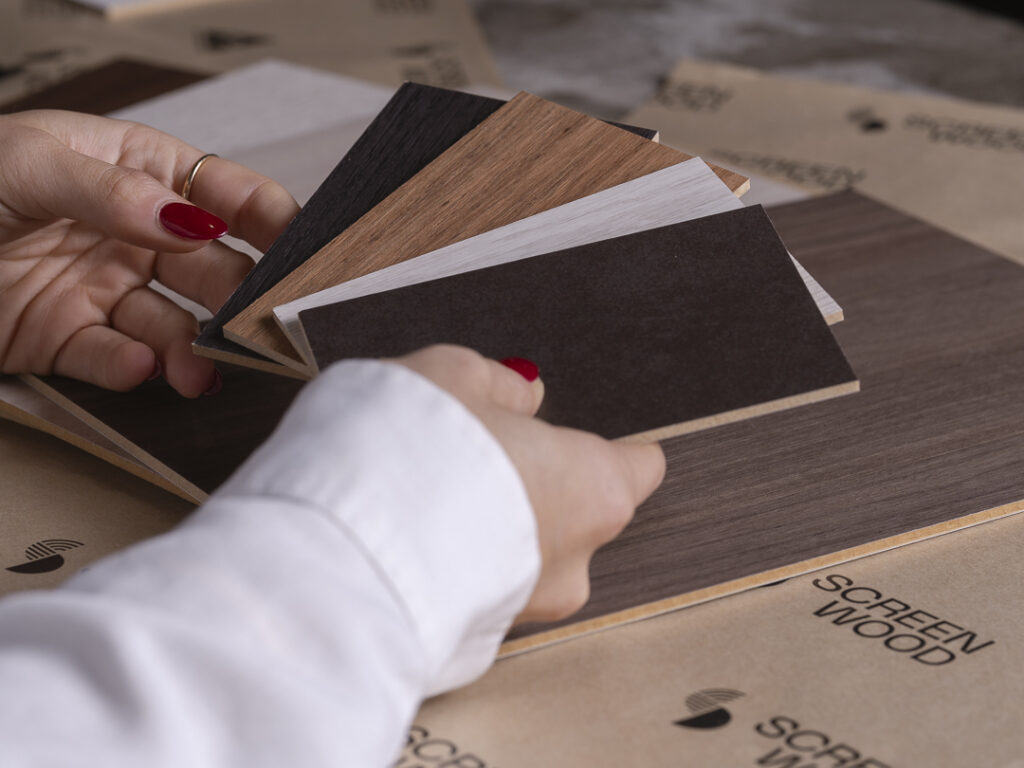
Choose from four NAVURBAN™ finish families: the core NAVURBAN™ range for realistic woodgrain; NAVURBAN Diamond™ for a UV coated, reinforced surface suited to high wear applications; NAVURBAN Elements™ for industrial and patina aesthetics; NAVURBAN Silken™ for minimal solid colour finishes; and the NAVURBAN Earth™ range for stone look textures.
Order complimentary samples to confirm colour accuracy, and the digital representation of textured surfaces should always be verified against physical samples before finalising a specification.
Step 5: Confirm the installation approach
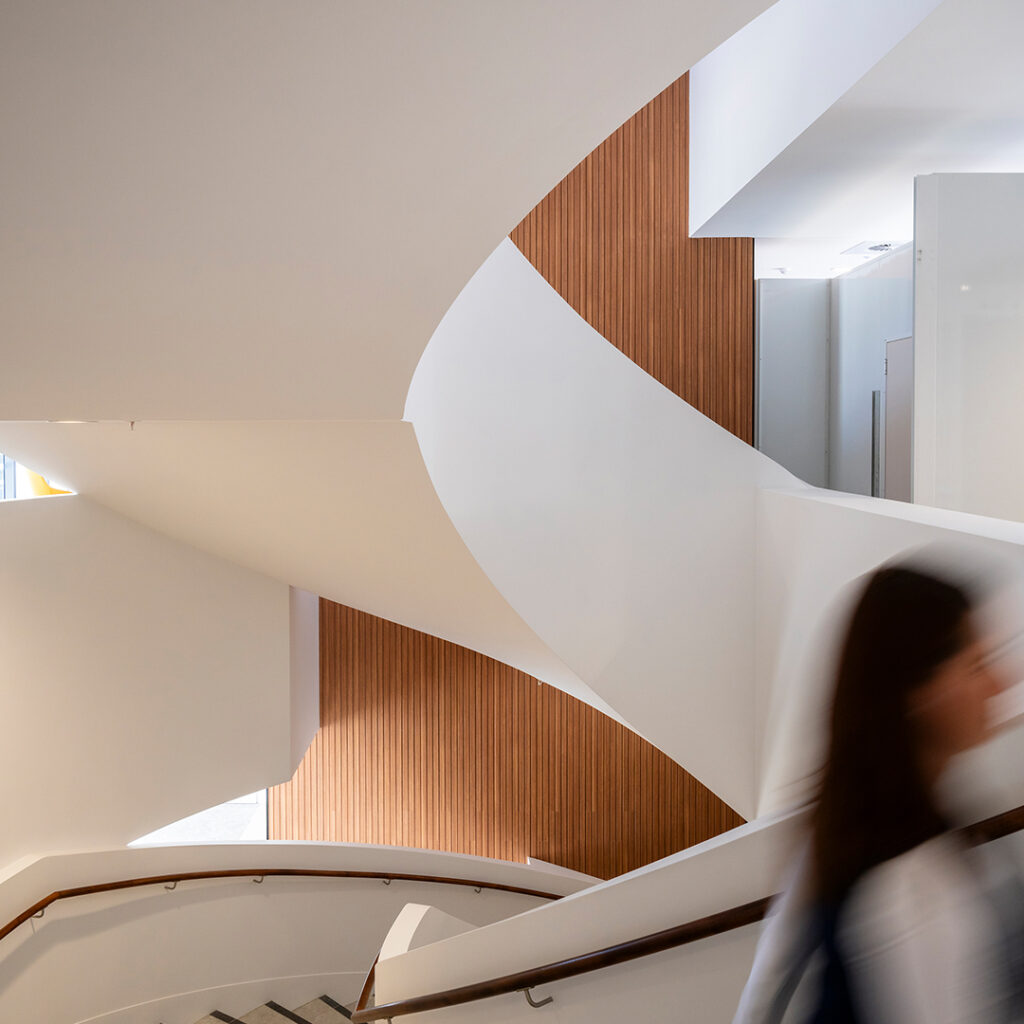
Modulo® installs using standard off the shelf top hat and furring channel, no proprietary fixing systems required. Modulo® MR/FR is available in 2.7m, 3.6m and 5.4m lengths and Modulo® Group 1 and Acoustic in 3m and 6m lengths, with other lengths available on request. It is a pre-finished product, ready to install. Off the shelf aluminium angle is used for edging and reverse angles.
BIM/Revit files are available at screenwood.com.au/bim-cad-downloads/. Installation guides, performance documentation, and test reports are available at screenwood.com.au/resources/.
Screenwood’s technical consultants can review your specification and provide project specific advice. Book an on site consultation, with a full sample kit, at screenwood.com.au or call +61 2 9521 7200.
Related links
Share article