What is a Tongue and Groove Lining System, and Why Do Architects Specify It?

Screenwood | What is a Tongue and Groove Lining System, and Why Do Architects Specify It?

If you've walked through a premium commercial fitout recently - a hotel lobby, a university common area, a contemporary office - there's a good chance the walls or ceiling featured a tongue and groove lining system. It's one of those architectural solutions that tends to define a space without announcing itself. But for those specifying commercial interiors, the "why" matters as much as the "what." Here's what sets tongue and groove apart, and why it continues to earn its place on specification lists.

Screenwood | What is a Tongue and Groove Lining System, and Why Do Architects Specify It?

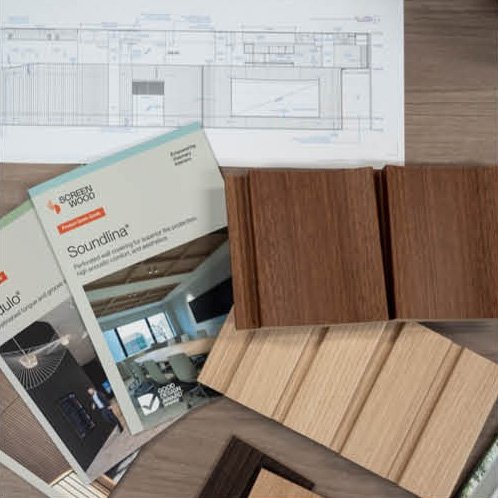
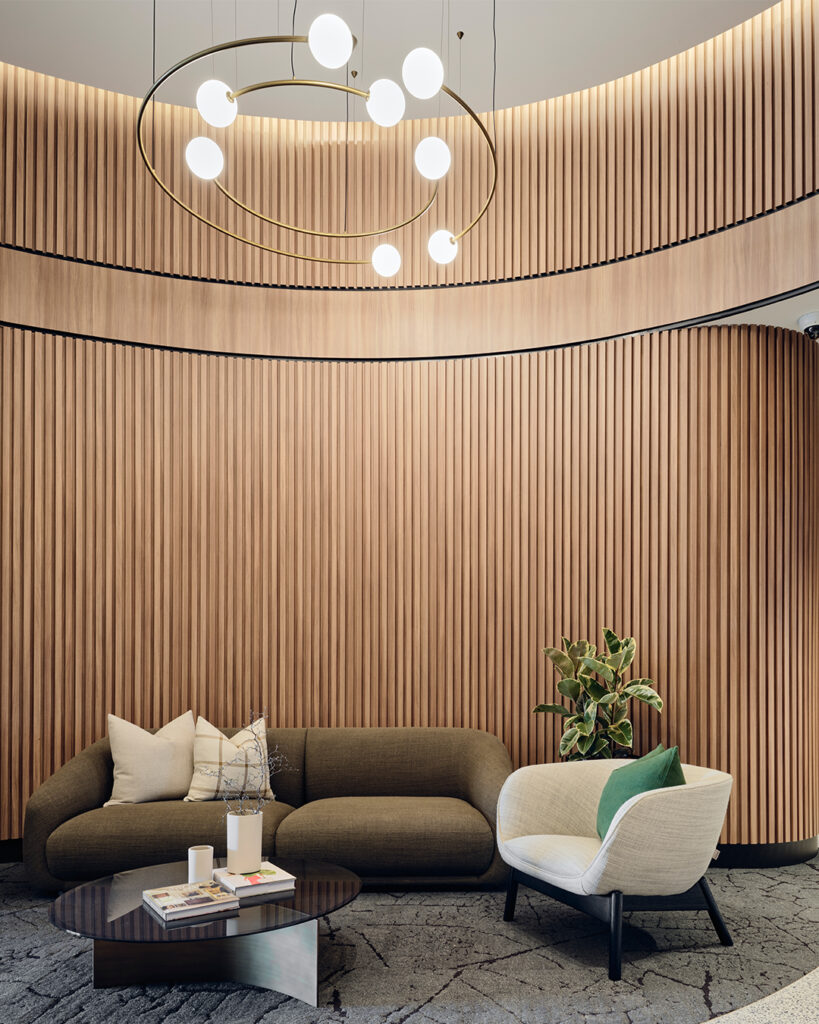
Modulo® in Navurban™ Tablelands 

The basics: what tongue and groove actually means

Tongue and groove (T&G) is an interlocking board system. Each board has a protruding edge (the tongue) that slots into the recessed edge (the groove) of the adjacent board. The result is a seamless, joint-free surface that conceals fixings and creates visual continuity across walls and ceilings.

In an architectural context, this isn’t just about aesthetics. The interlocking system adds structural stability to the lining, reduces movement over time, and allows boards to be installed quickly and consistently, an advantage in large commercial environments where time and precision both matter.

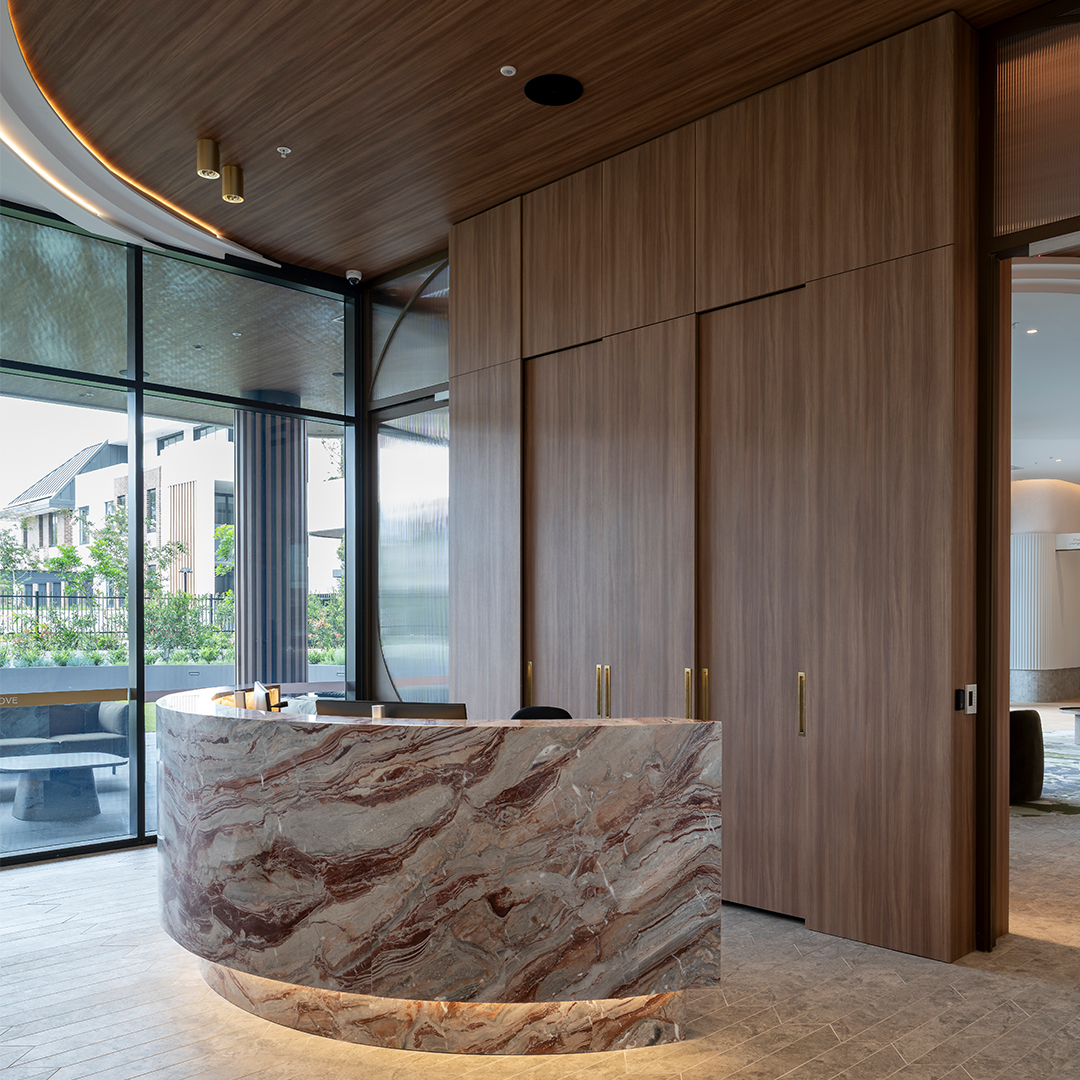
Modulo® in Navurban™ Blackbutt

Why architects specify it: the real reasons

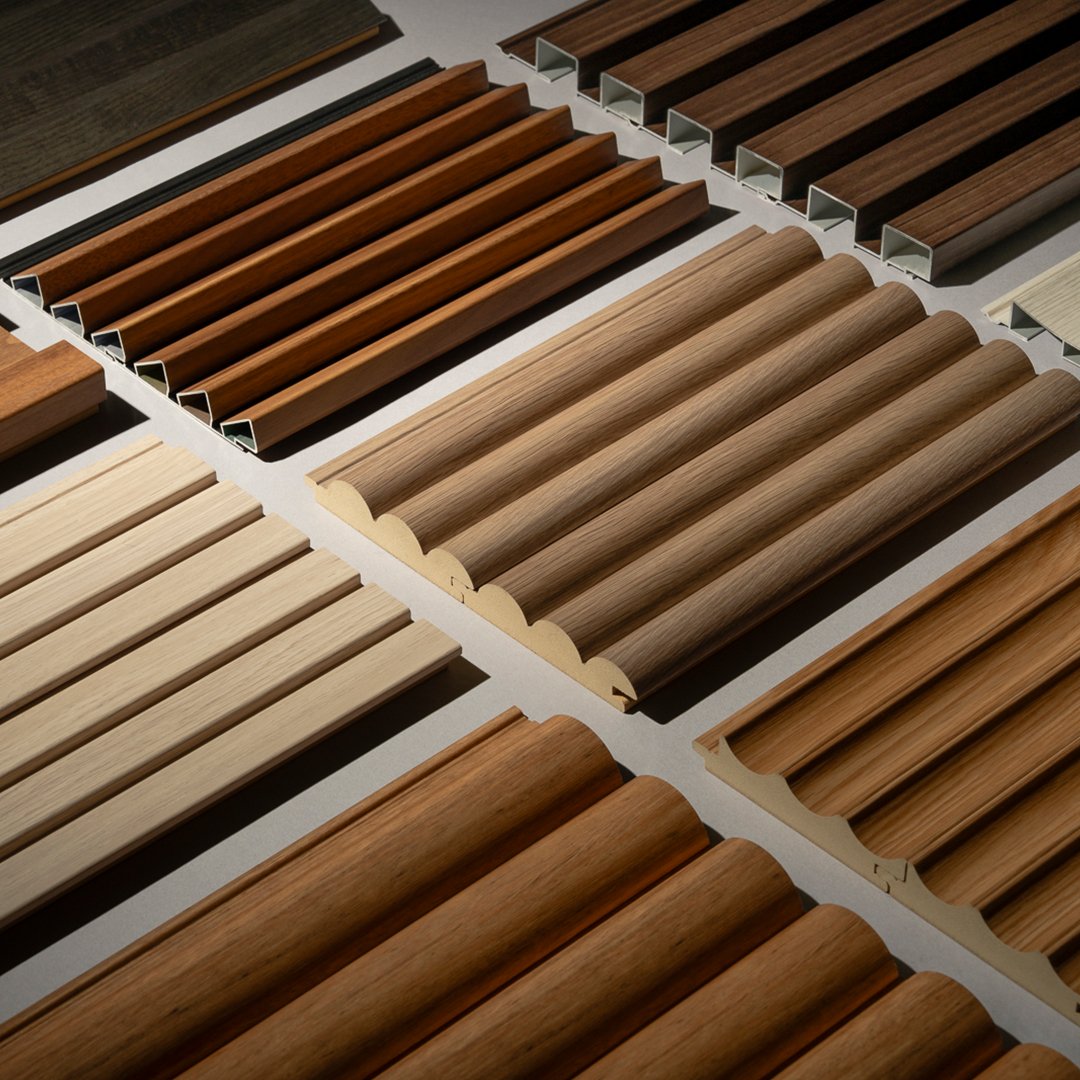
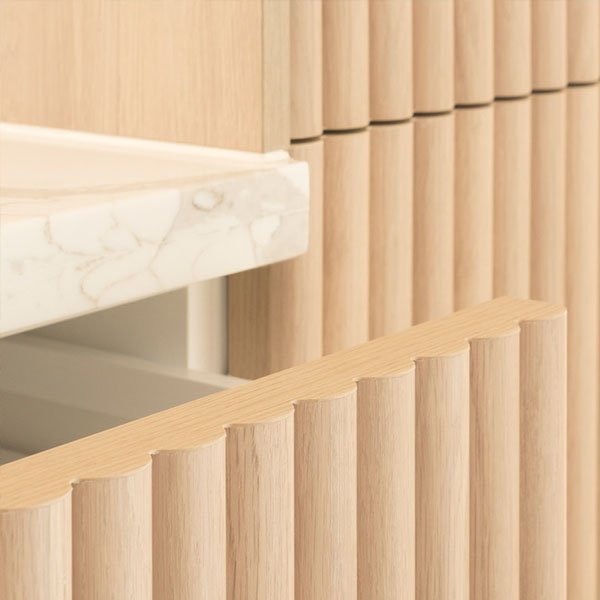
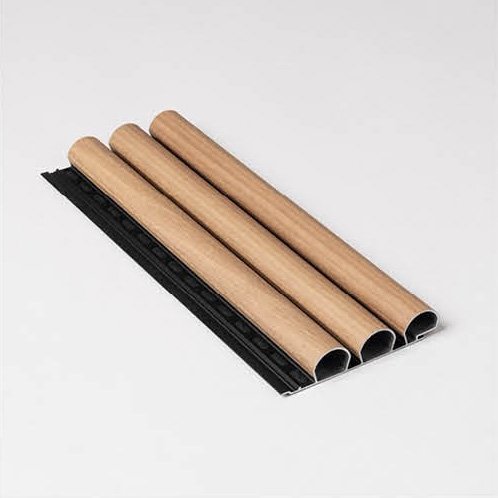
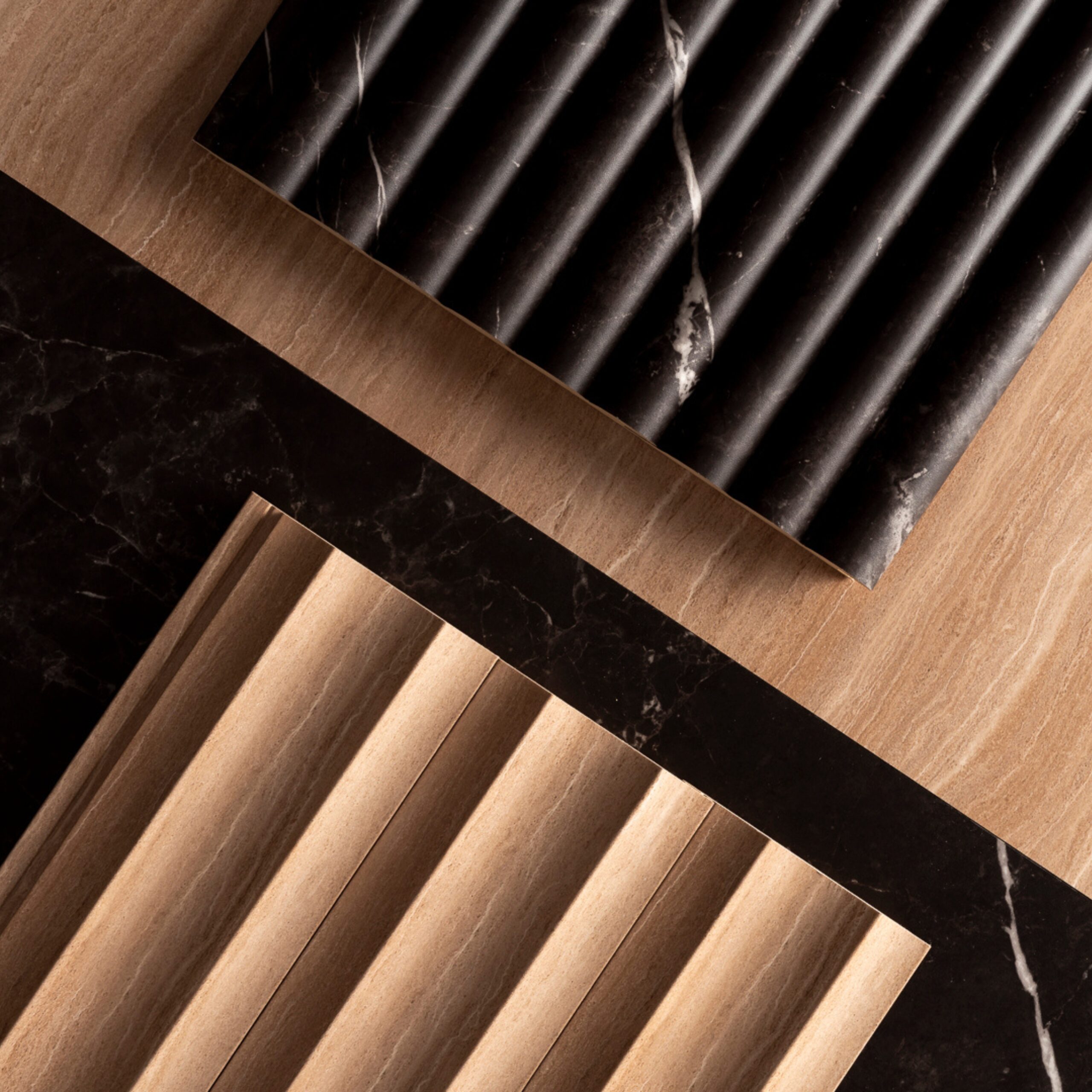
Design consistency is the first reason. A T&G system creates clean, repeating lines that work whether installed vertically, horizontally, or across a curved surface. Profiles like Arc, Flute, Ridge, and Batten add dimension without complicating the installation process.

The second reason is practical: prefinished T&G systems arrive on site ready to install. There’s no painting, staining, or waiting for finishes to cure. For project timelines, this is significant.

Third, and increasingly important for commercial projects, is compliance. T&G systems like Modulo® are available in Group 1, Group 2, and Group 3 fire-rated substrates, tested to AS 5637.1. Acoustic variants with NRC ratings up to 0.75 mean the same system can contribute to both the acoustic and visual brief.

Screenwood | What is a Tongue and Groove Lining System, and Why Do Architects Specify It?

Curved applications: the design differentiator

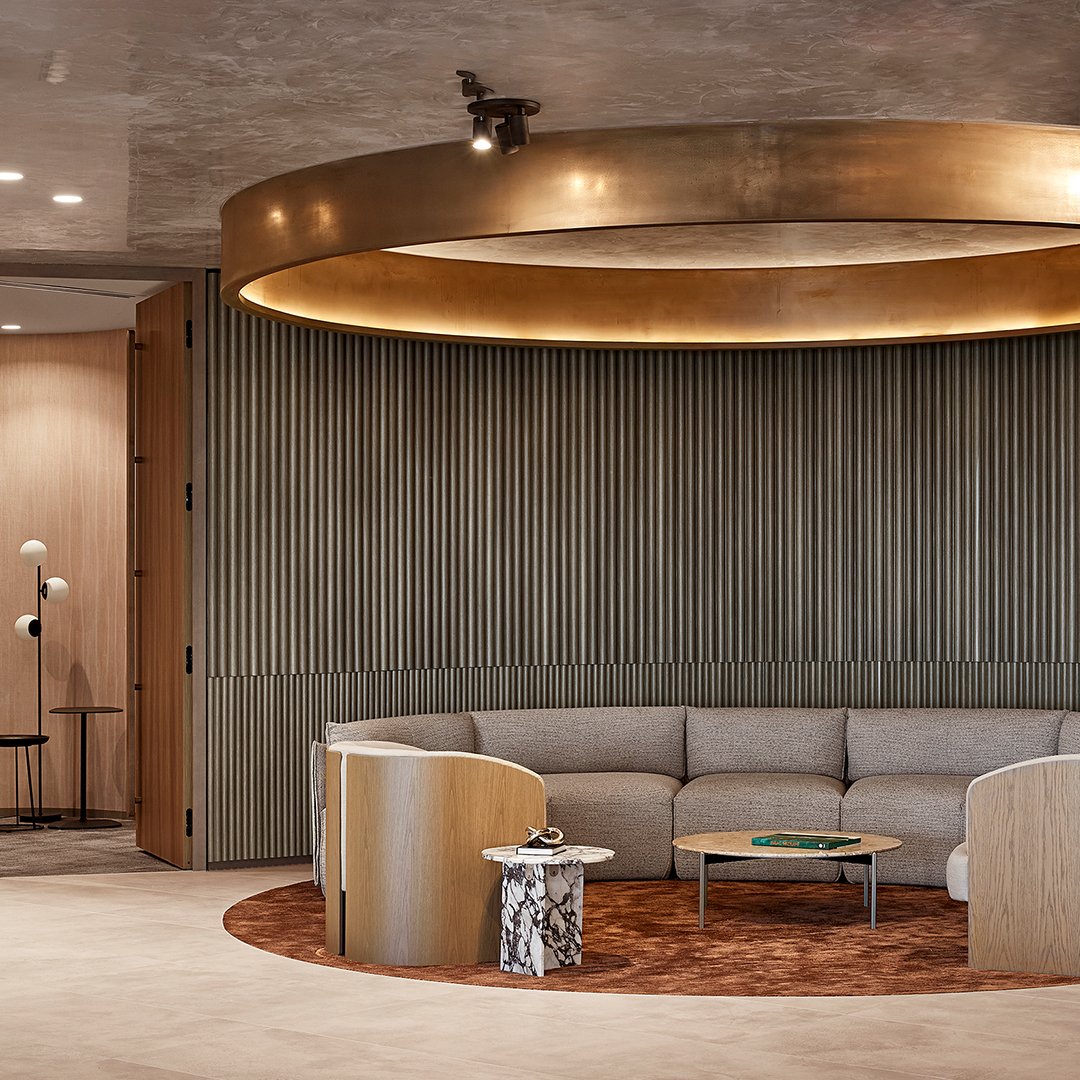
One of the most significant advantages of engineered T&G systems is their ability to follow curved surfaces. Modulo® achieves curve radii as tight as 250mm, enabling architects to specify the system for columns, barrel ceilings, curved reception walls and sculptural installations, applications where traditional flat-panel systems simply cannot follow the form.

Projects like IMAX® Sydney and Allianz Stadium have used this capability to create large-scale architectural moments that read as continuous, flowing surfaces. That’s the design freedom a well-engineered T&G system unlocks.

A note on finishes

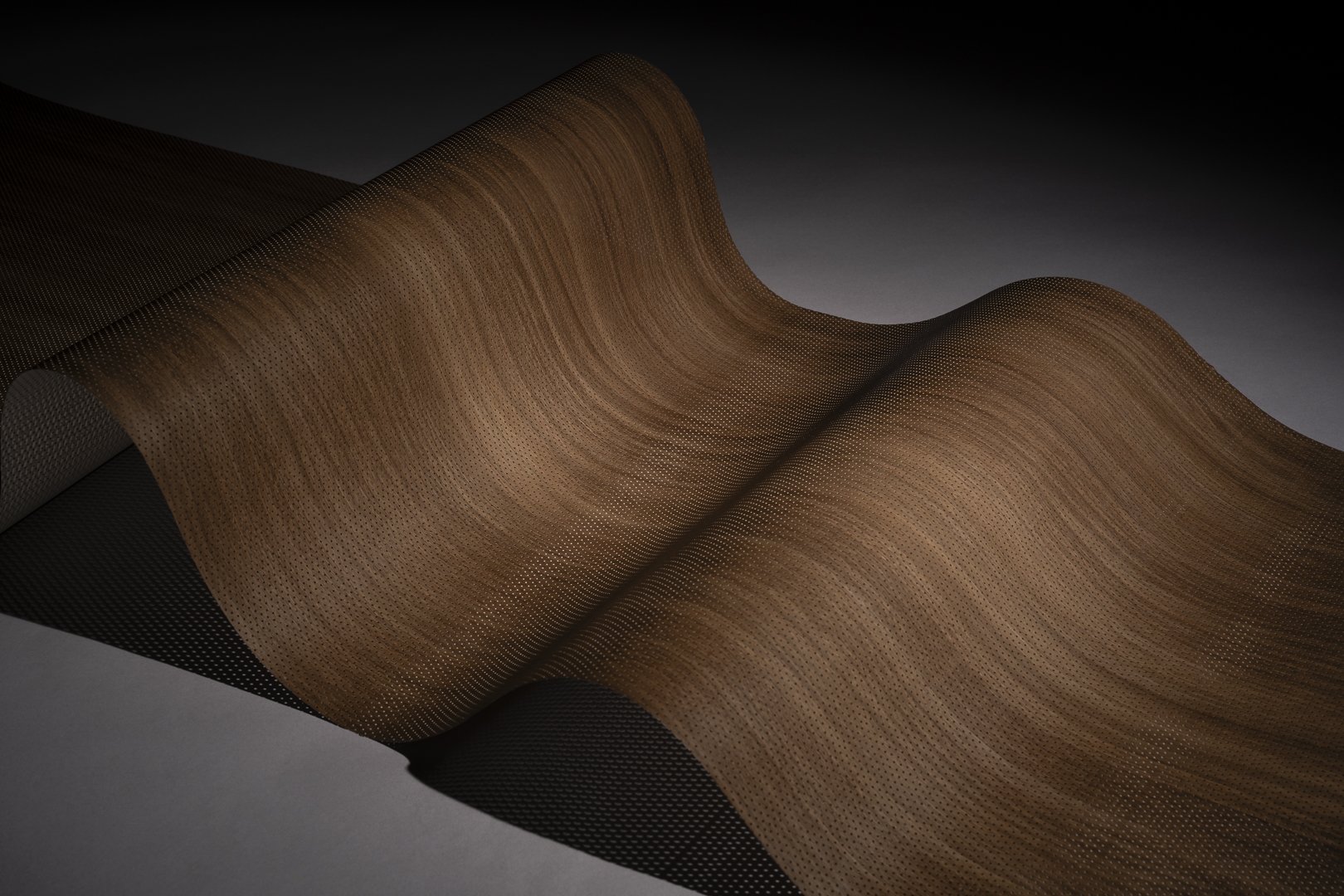
For a biophilic design brief, the finish matters as much as the profile. Modulo® uses NAVURBAN™ non-PVC olefin film, a prefinished surface with 3D embossed woodgrain texture that achieves an ultra-realistic timber aesthetic without the maintenance requirements of real timber.

No annual staining, no UV fading concerns, no VOC concerns on site. For designers working on aged care, education, or healthcare projects where indoor air quality is paramount, this is a meaningful advantage.

The bottom line

Tongue and groove lining systems earn repeat specification for good reason: they combine architectural versatility, installation efficiency, and compliance documentation in a single product family. When the brief calls for warmth, texture, acoustic performance, and design confidence, it’s usually the first system specifiers reach for.

To explore Modulo® profiles and finishes, order a complimentary sample kit from screenwood.com.au/order-samples or book an on-site consultation with a Screenwood technical expert.