Group 1, 2 and 3 Fire Ratings Explained

Screenwood | Group 1, 2 and 3 Fire Ratings Explained

A Specifier’s Guide to NCC-Compliant Wall Linings

Fire ratings are one of those specification requirements that every architect and builder knows matter, but the Group numbering system can be surprisingly confusing when you’re working through a project brief for the first time.

This guide cuts through the terminology so you can make confident material selections and keep your project compliant with the National Construction Code (NCC).

Where fire ratings come from

In Australia, interior wall and ceiling linings are tested and classified under AS 5637.1. This standard assigns materials a Group Number based on how they behave under fire conditions, specifically how quickly they ignite, how much they contribute to flame spread, and how much smoke they produce.

The Building Code of Australia (BCA), part of the NCC, then uses these Group Numbers to define which materials are appropriate for which building types and occupancy classes.

Further reading:
The what and how of fire hazard properties for floors and ceilings. Published by Australian Building Codes Board 19.01.2021. 

Screenwood | Group 1, 2 and 3 Fire Ratings Explained

The four groups, and what they mean in practice

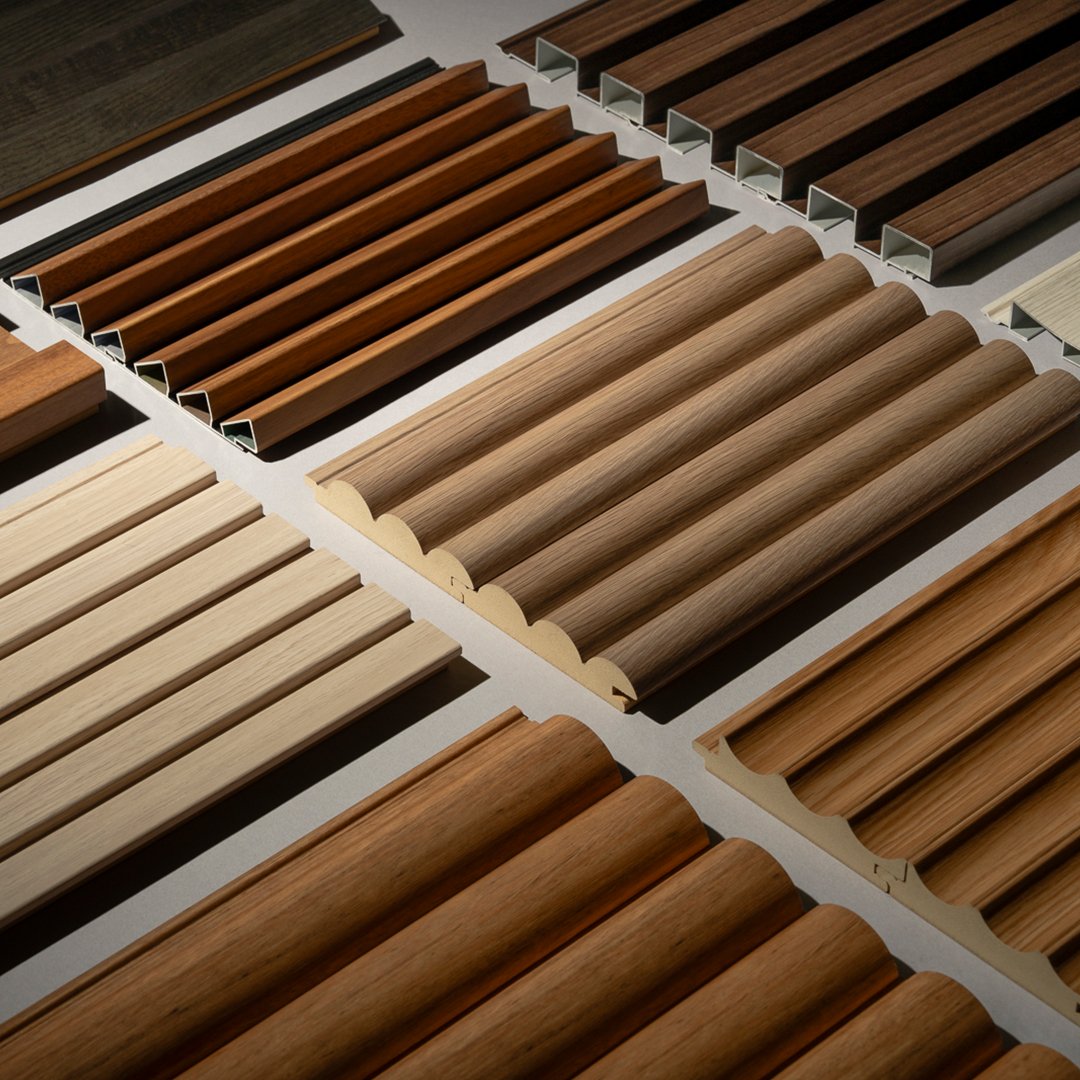
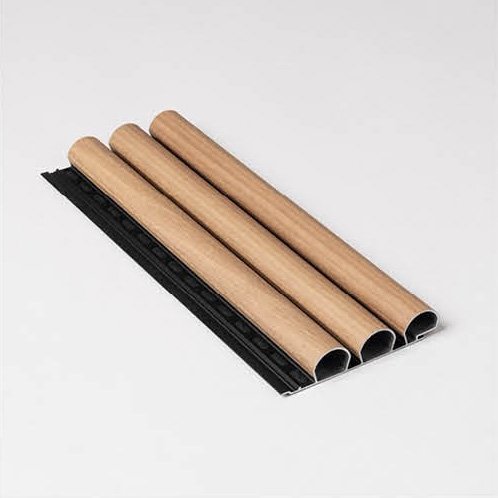
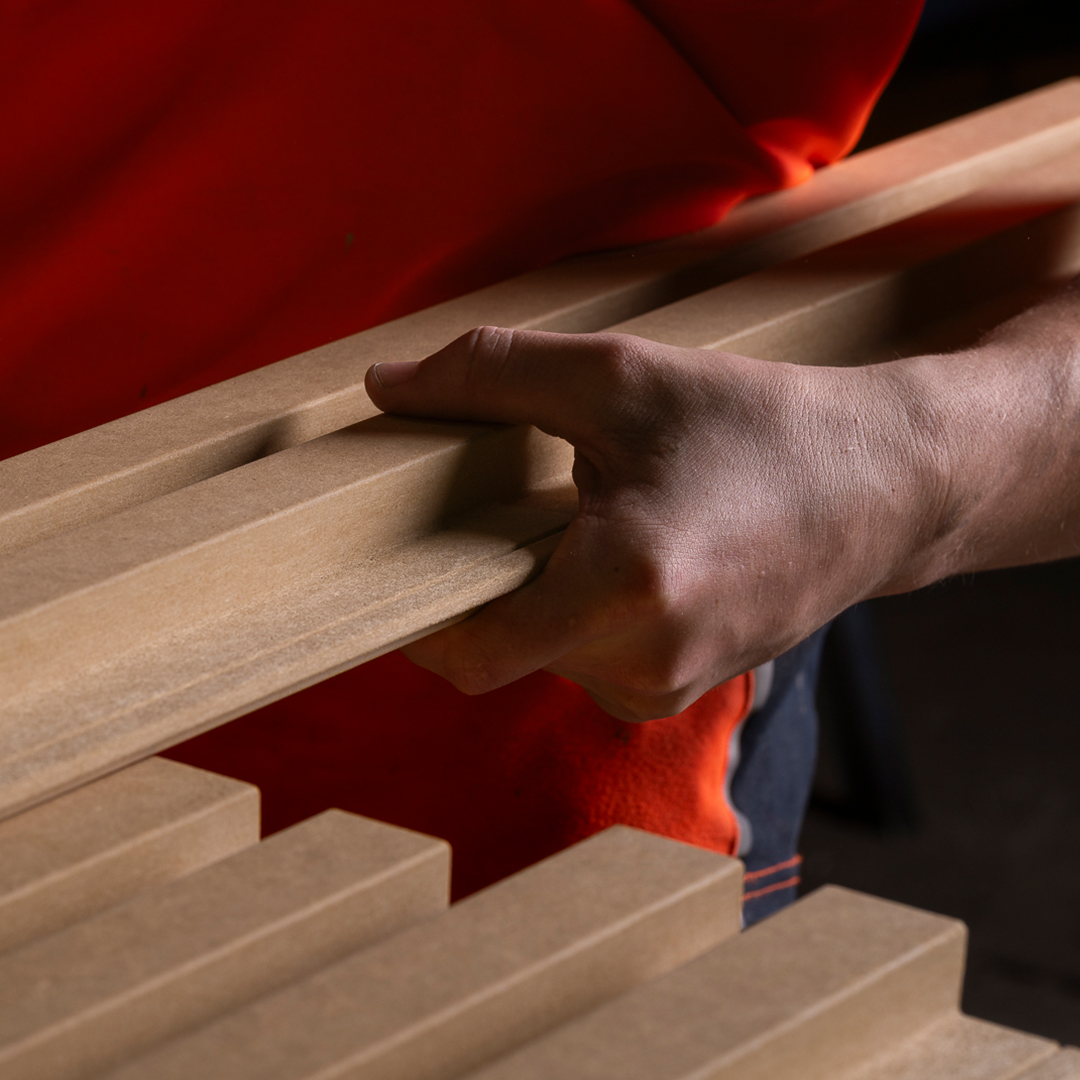
Group 1 materials have minimal contribution to fire growth. They are required in the most sensitive environments: evacuation routes, high-occupancy public buildings, healthcare facilities, and aged care. Modulo® Group 1, an aluminium-substrate tongue and groove system, achieves this classification while retaining the warmth of a timber-look finish.

Group 2 materials have a limited contribution to fire growth and are accepted in most commercial buildings including offices, hotels, education facilities, and retail. Modulo® FR (fire-retardant MDF substrate) sits in this category.

Group 3 materials have a moderate contribution and are permitted in a wider range of interior applications. Modulo® MR (moisture-resistant MDF) is a Group 3 product, appropriate for many commercial fitouts but not suitable for required evacuation routes without further specification review.

Group 4 materials contribute significantly to fire growth and are not suitable for most commercial interior applications.

Screenwood | Group 1, 2 and 3 Fire Ratings Explained

How to choose the right group for your project

The critical question is: what is the building use, and what occupancy class does it fall under in the NCC? A hospital corridor, a hotel bedroom, and a private office do not have the same fire compliance requirements.

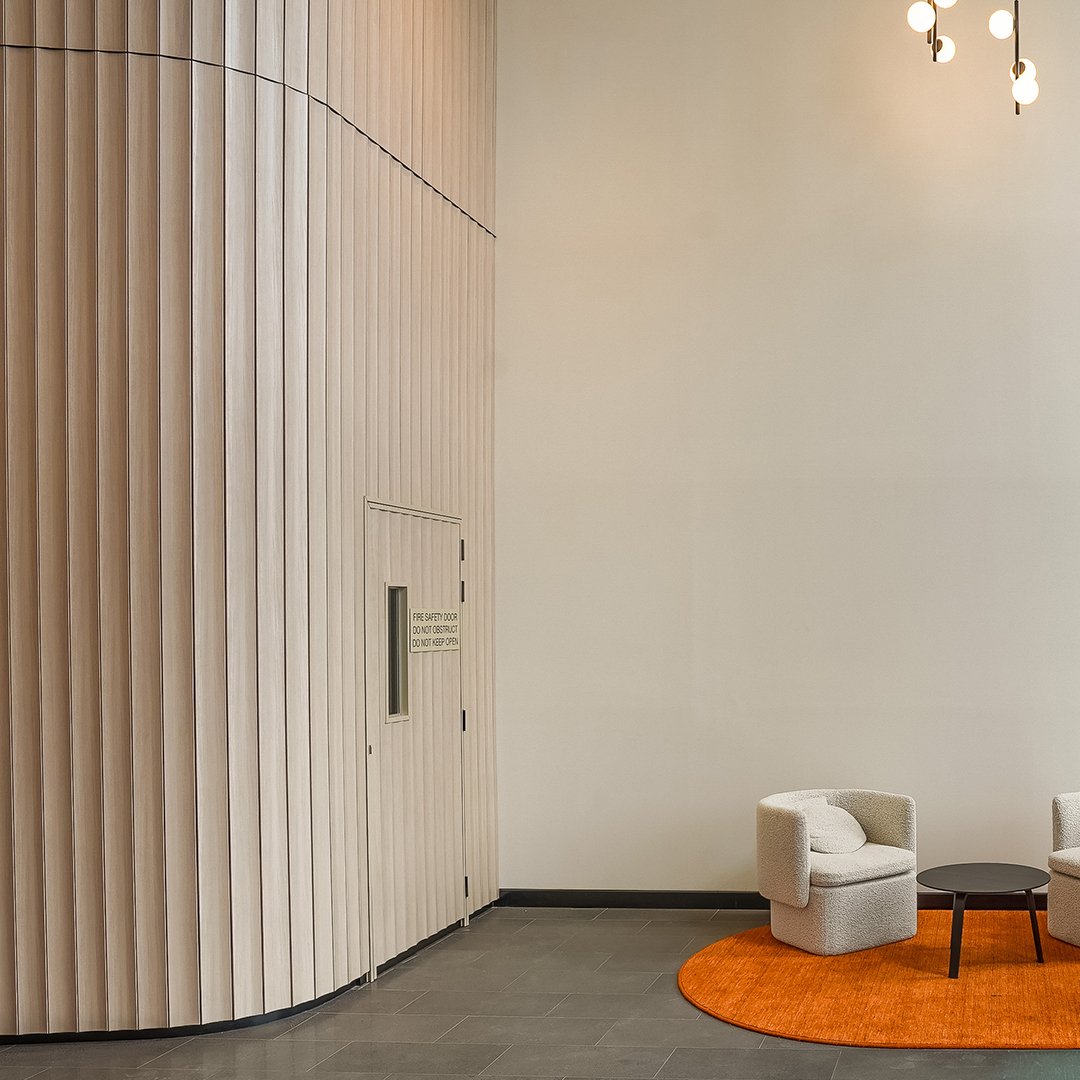
For evacuation paths – corridors, stairwells, lobbies – Group 1 is typically required. For general office, hospitality, and education interiors, Group 2 is the standard commercial specification. Group 3 may be acceptable for lower risk zones but always confirm with the project’s fire engineer or building certifier.

What documentation to ask for

When specifying fire-rated linings, the product should come with test reports from a NATA-accredited laboratory confirming the Group classification under AS 5637.1. Screenwood supplies fire test documentation on request, a practical step that protects both the specifier and the project in the event of an audit.

It’s also worth noting that fire ratings apply to the complete installed system, including substrate, finish, and adhesive or fixing method. Changing any of these components without re-testing can invalidate the rating.

The Screenwood range across all three groups

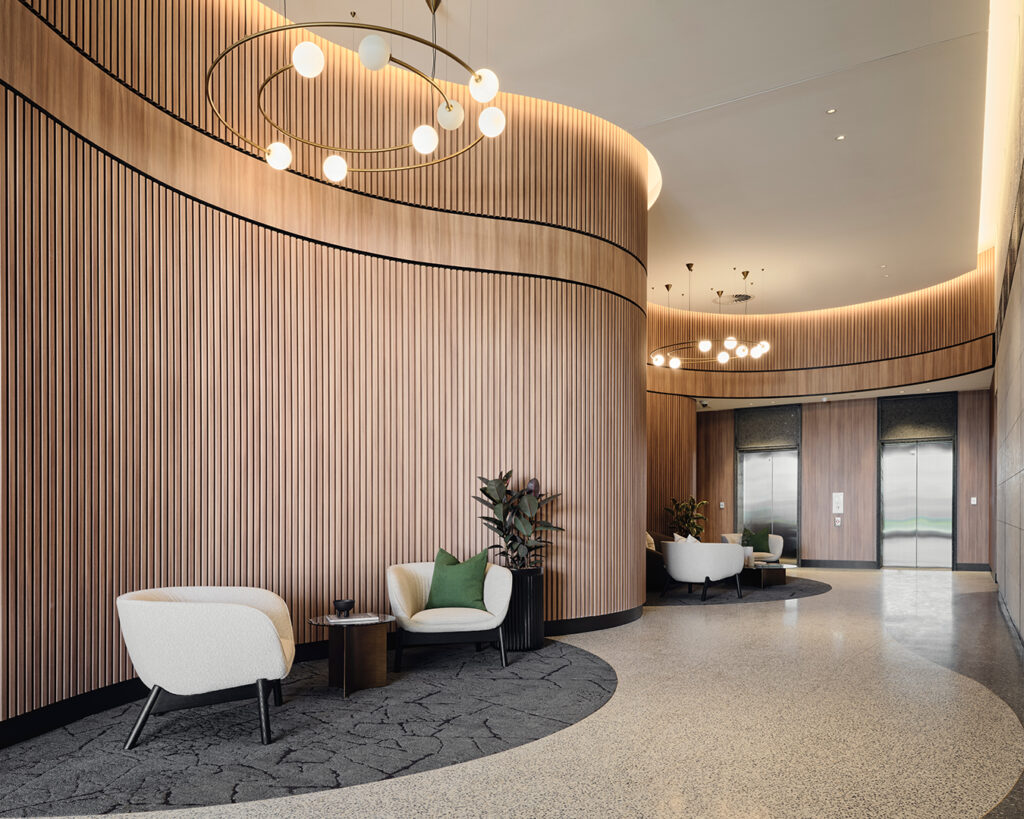
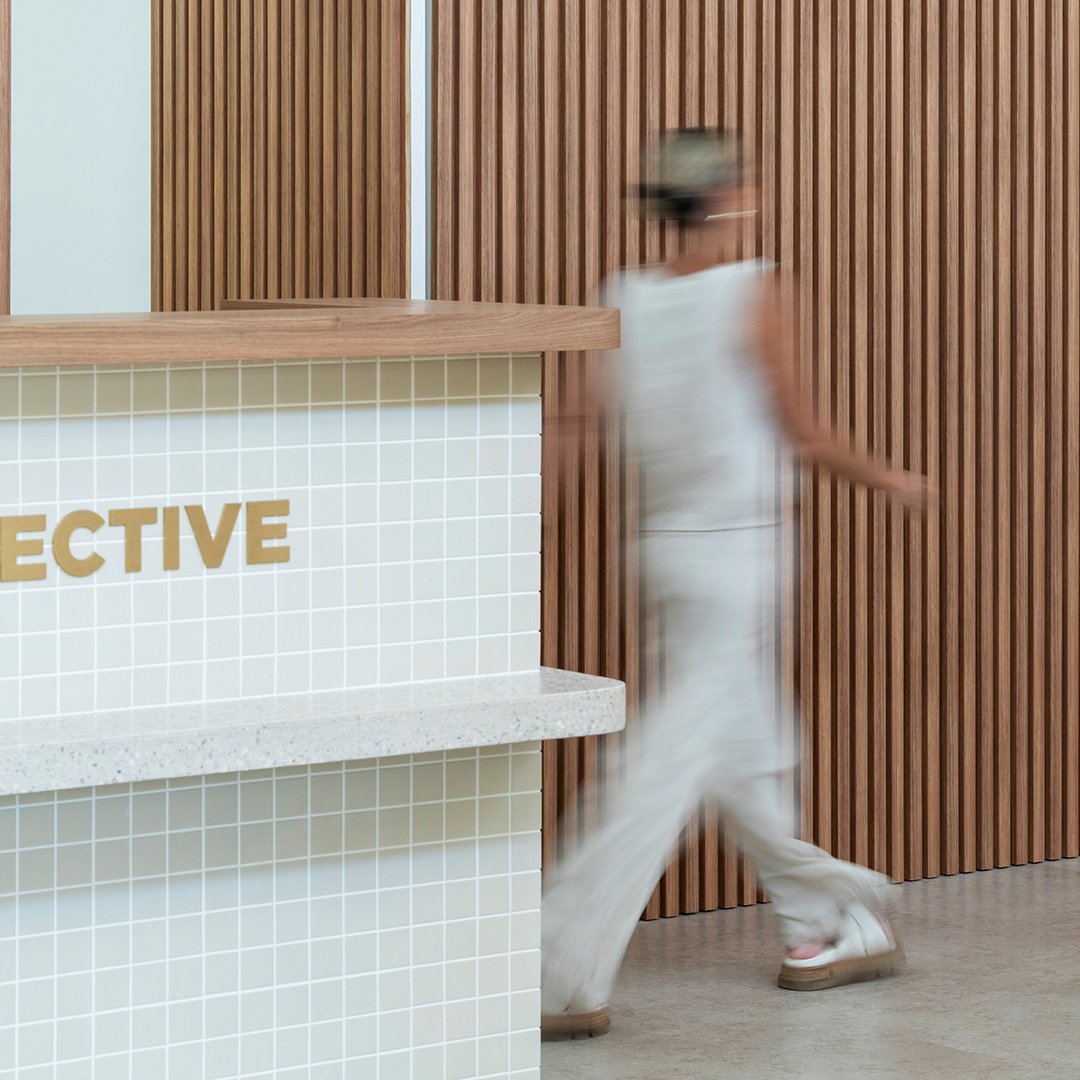
Modulo® is one of the few tongue and groove lining systems in Australia available across Group 1 (aluminium substrate), Group 2 (FR MDF), and Group 3 (MR MDF), all in the same profile family and finish range. This means a specifier can maintain visual consistency across a project even where different fire requirements apply in different zones.

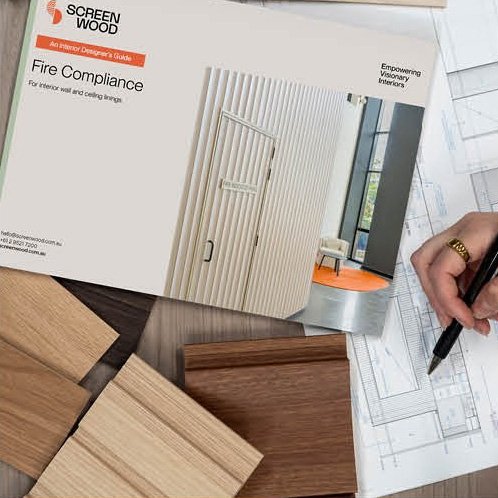
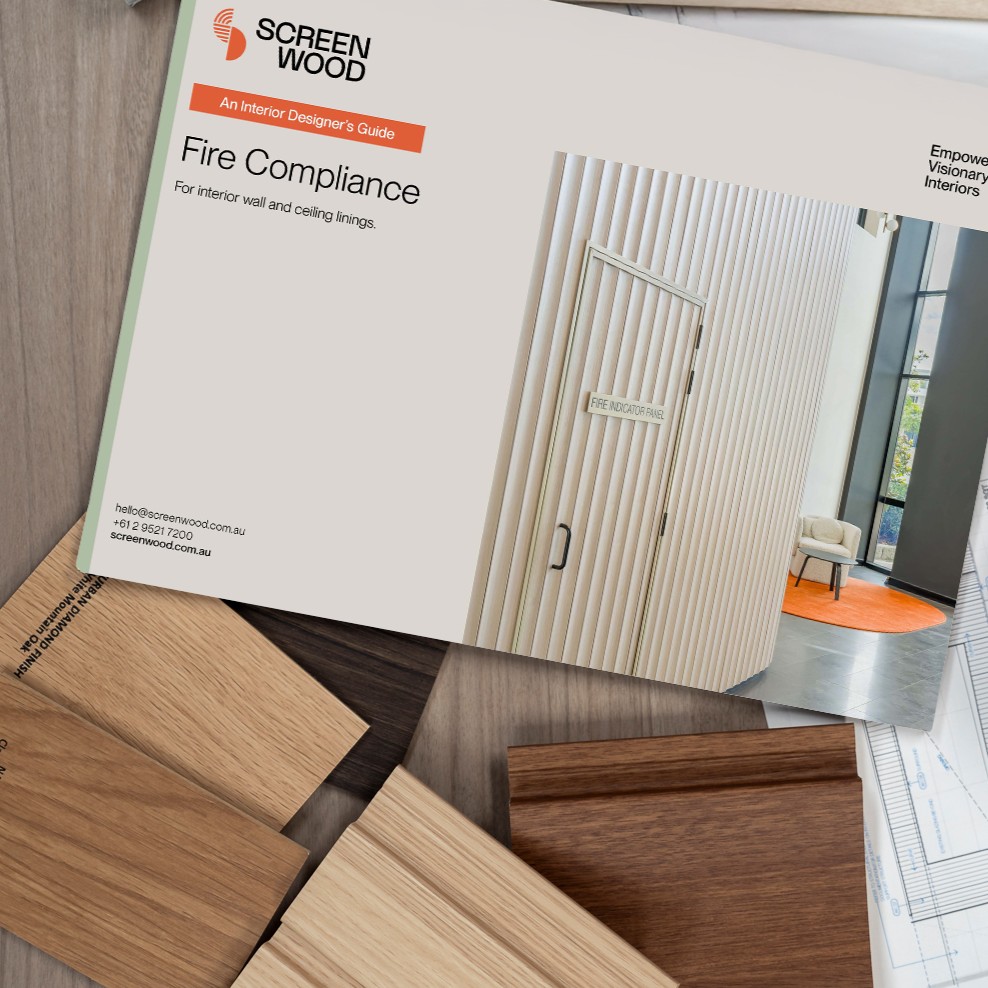
To download the Screenwood Fire Compliance Pack or discuss your specific project requirements, visit screenwood.com.au/e-guides/ or contact the team here.