Acoustic Timber Panels for Offices

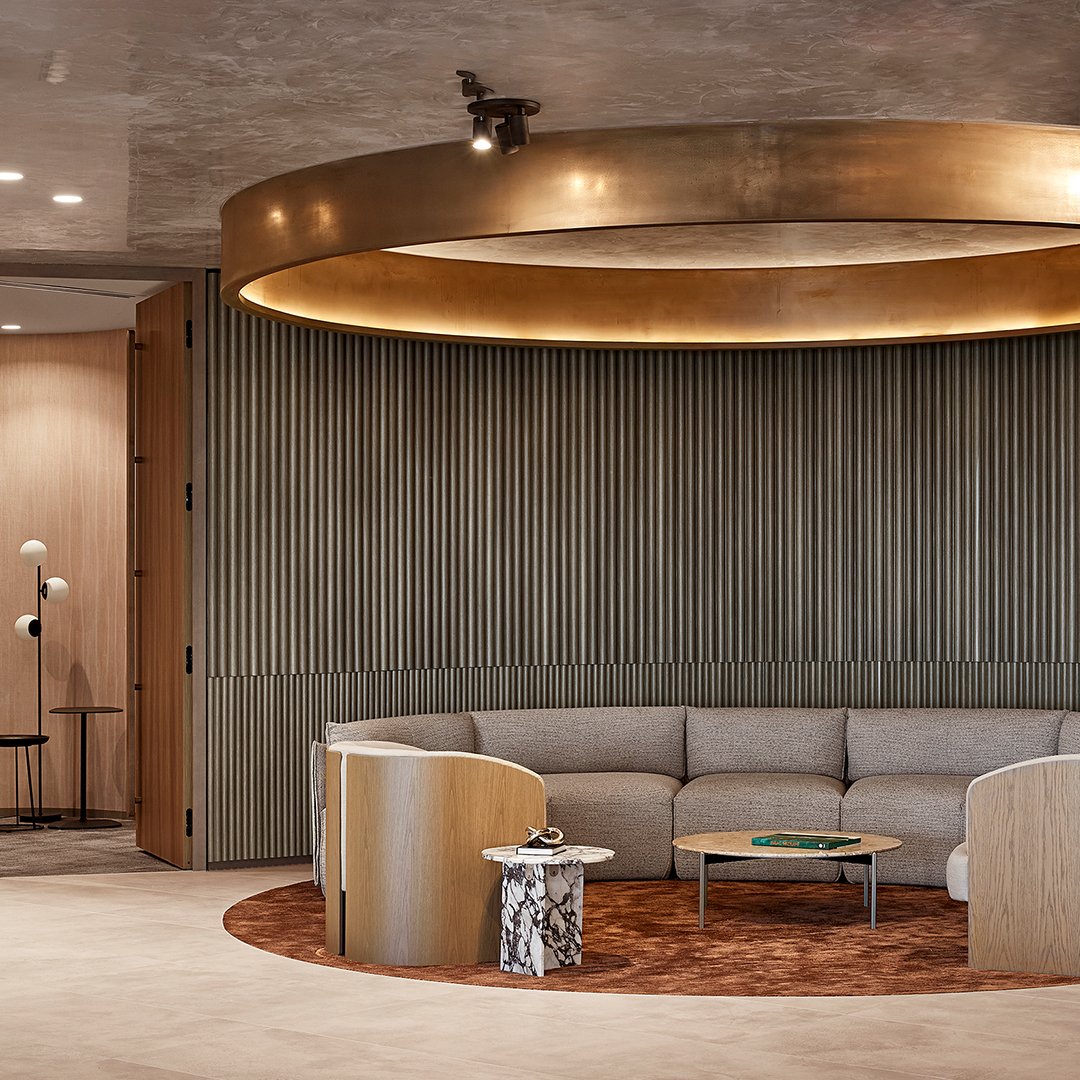
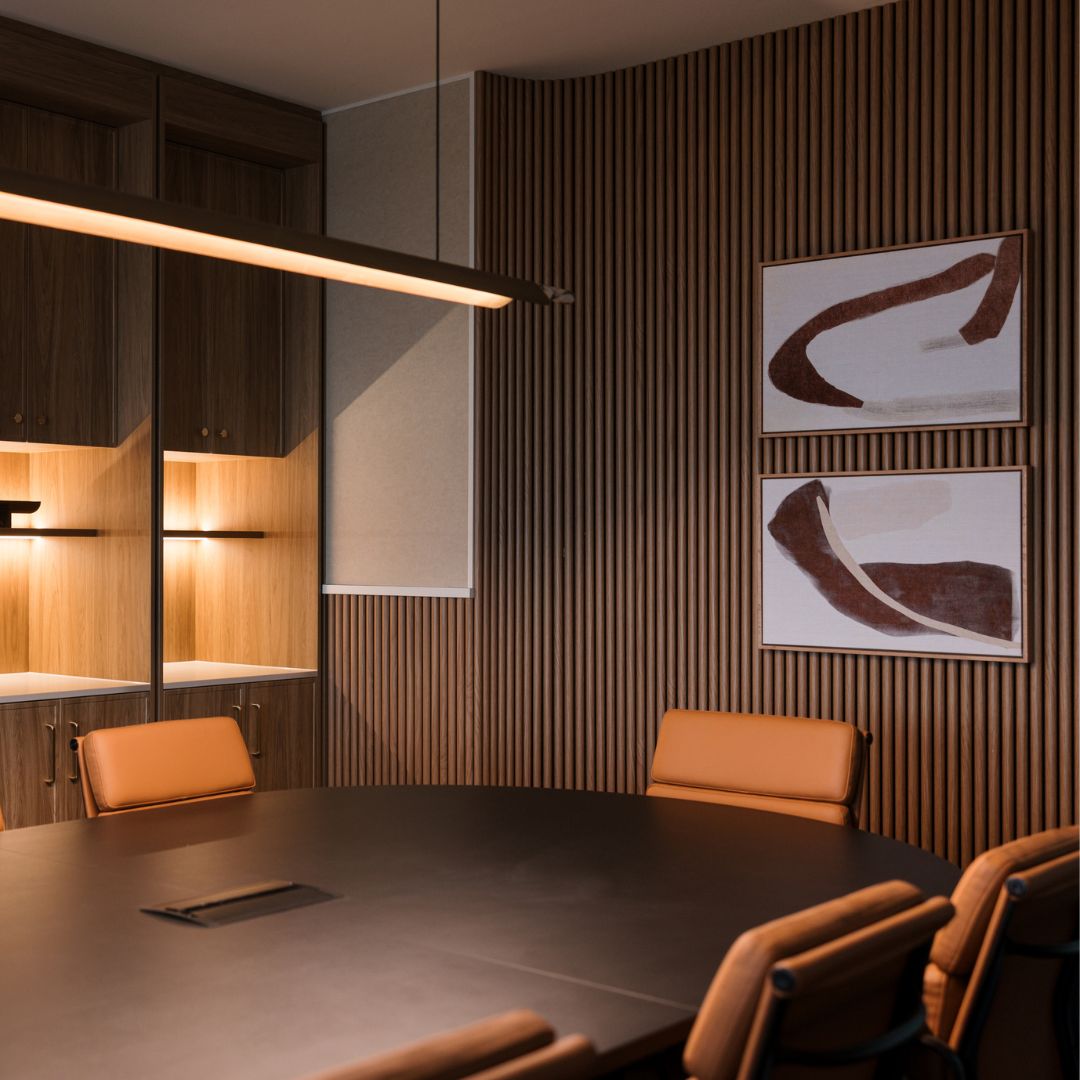
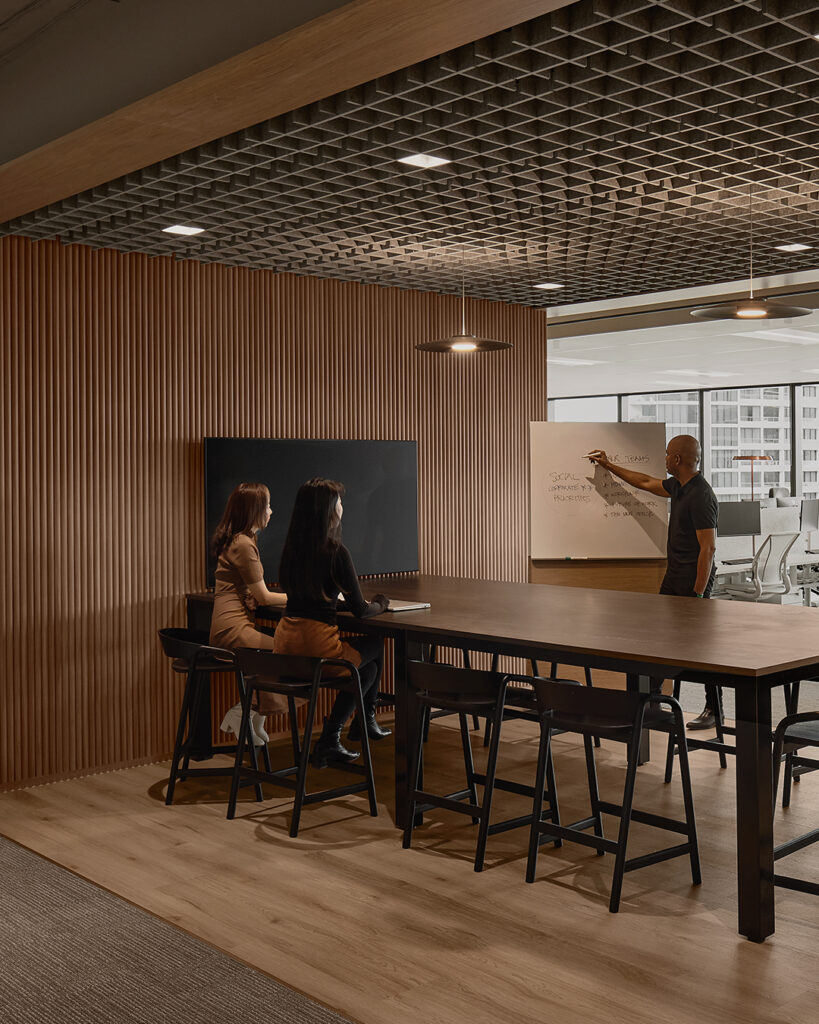
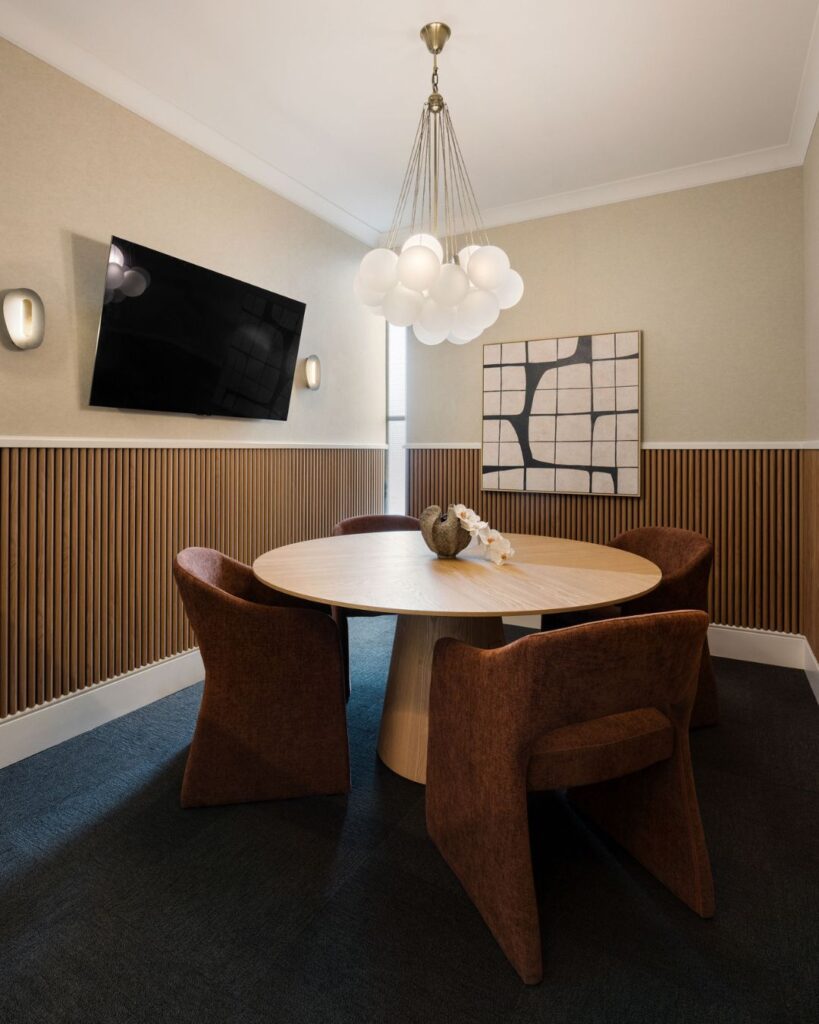
ROPAN Financial Services Office - Wall panels image
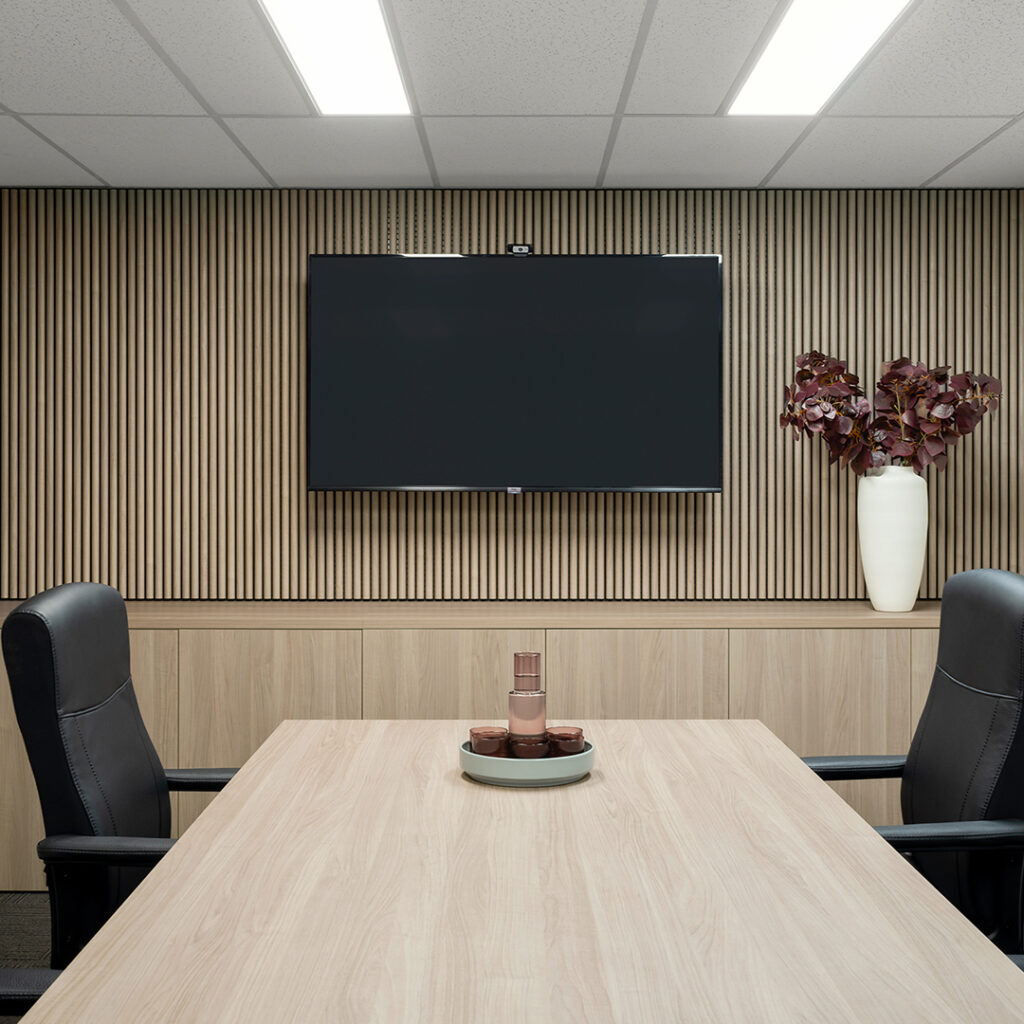
Paneling feature wall in office space

Reducing Reverberation in Open-Plan Workplaces

Open-plan offices promised collaboration and energy. What many delivered instead was noise. The hum of HVAC, the clatter of keyboards, overlapping conversations, in a hard-surfaced fitout, all of it bounces.

Reverberation is the persistence of sound after its source has stopped. In a reverberant room, speech becomes harder to understand, cognitive load increases, and, as a growing body of research confirms, productivity falls. For architects and interior designers working on commercial office fitouts, addressing reverberation is no longer a “nice to have.”

What NRC actually means and what to aim for

NRC stands for Noise Reduction Coefficient. A material with an NRC of 0 reflects all sound; a material with an NRC of 1.0 absorbs all sound. Crucially, NRC multiplied by surface area is what actually changes a room’s acoustics, so a higher rating means less material is needed to achieve the same result. As an example: 1m² of NRC 1.0 material delivers the same acoustic absorption as 2m² of NRC 0.5, or 4m² of NRC 0.25. In practice, specifying higher-performing products allows designers to achieve acoustic targets with a smaller footprint of treatment. This is a significant advantage when balancing acoustic and aesthetic requirements.

The challenge is achieving that performance within a design brief that calls for warmth, texture, and architectural interest. Bare acoustic foam achieves the number. Architects generally need more than that.

Screenwood | Acoustic Timber Panels for Offices

Specifying acoustic linings: wall vs ceiling

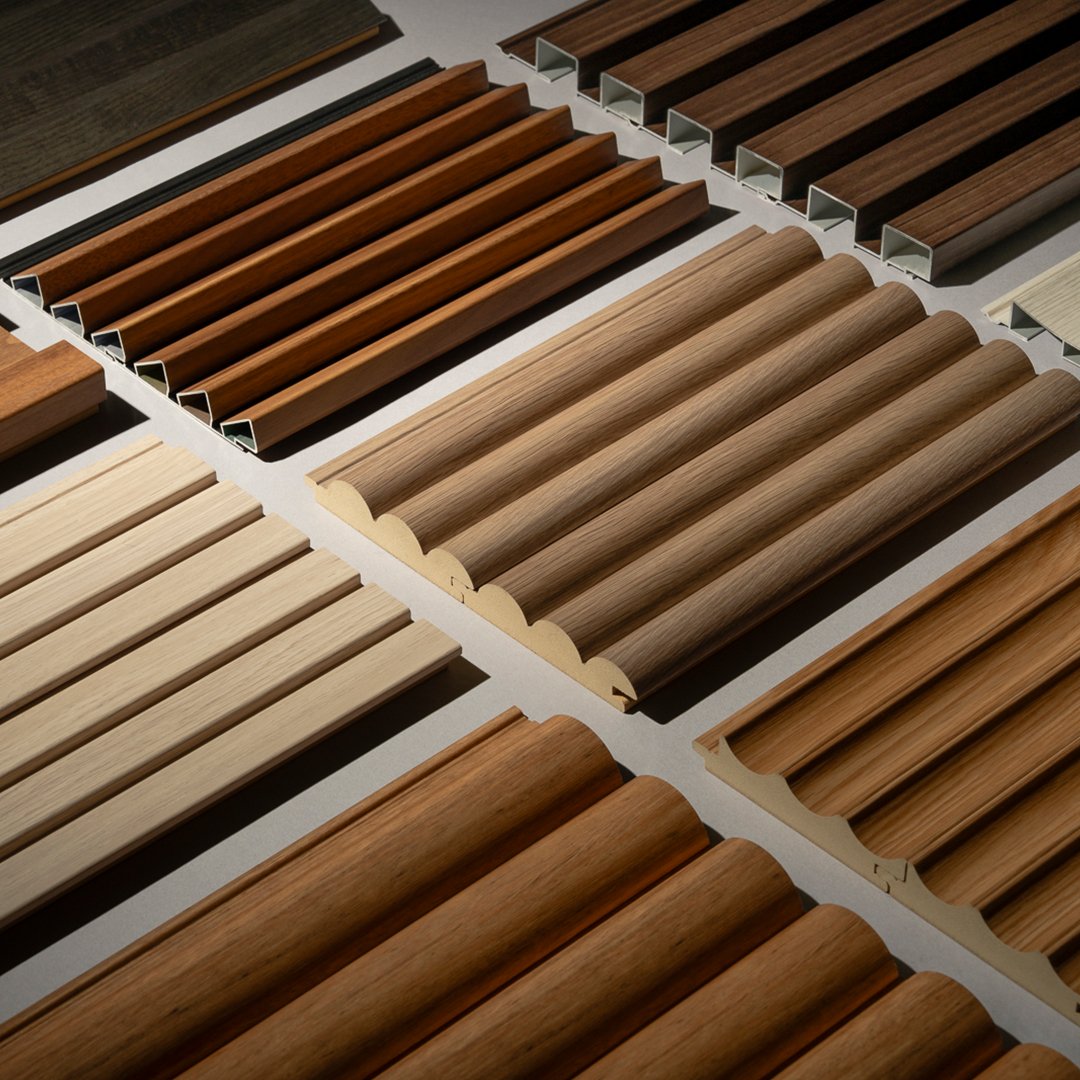
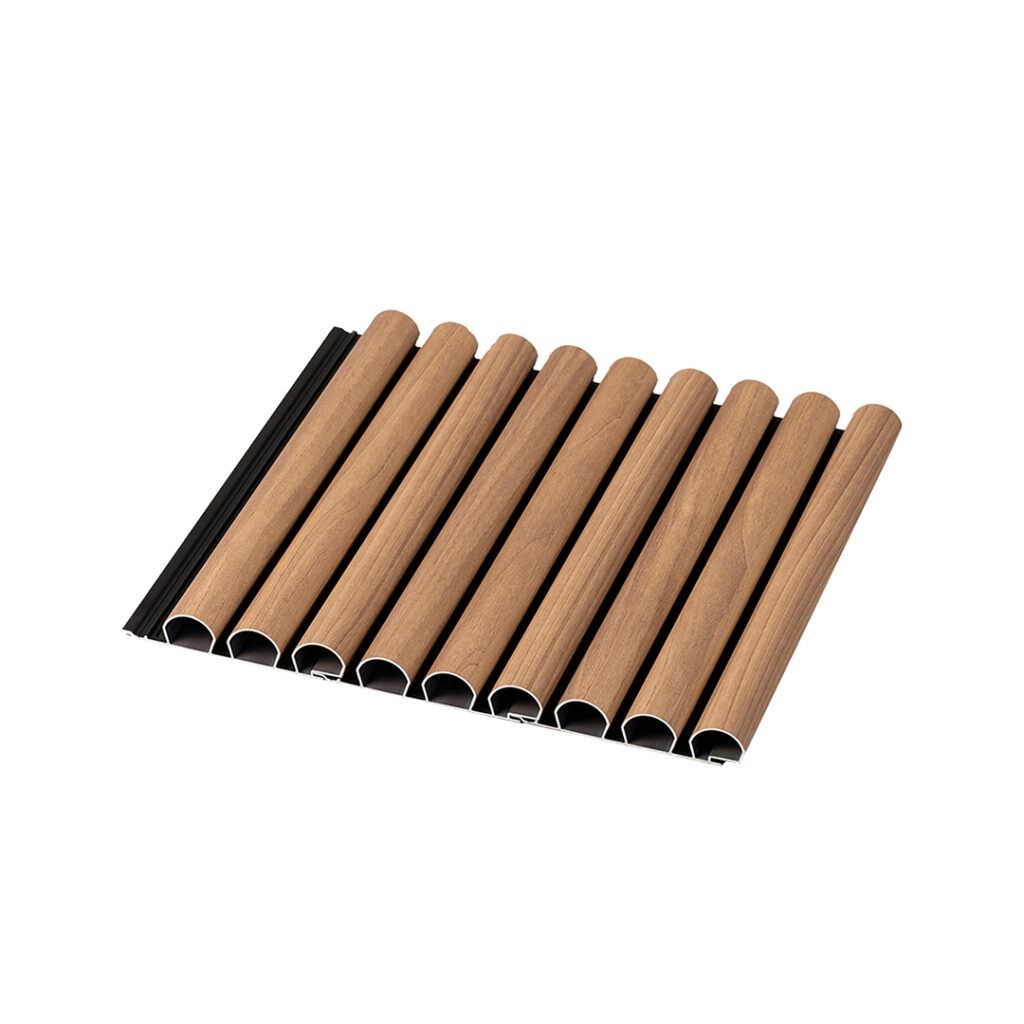
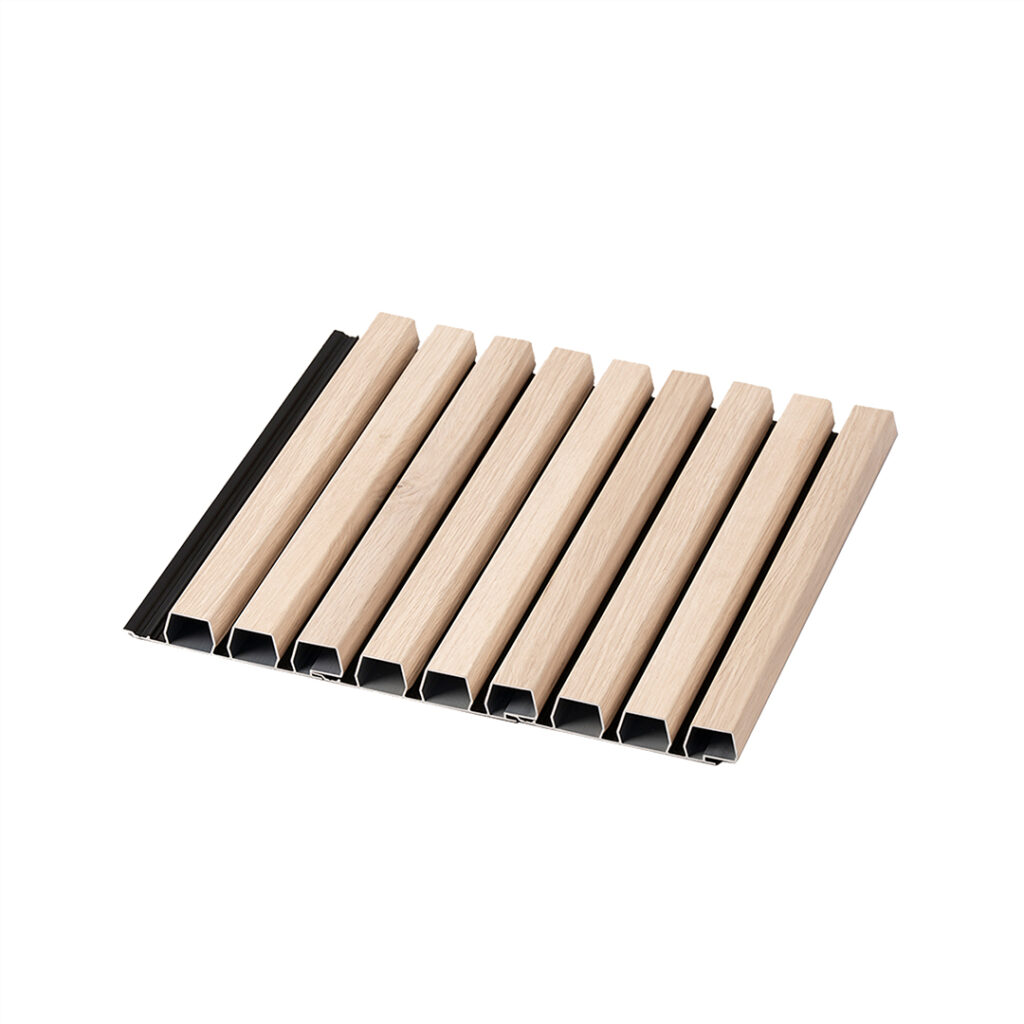
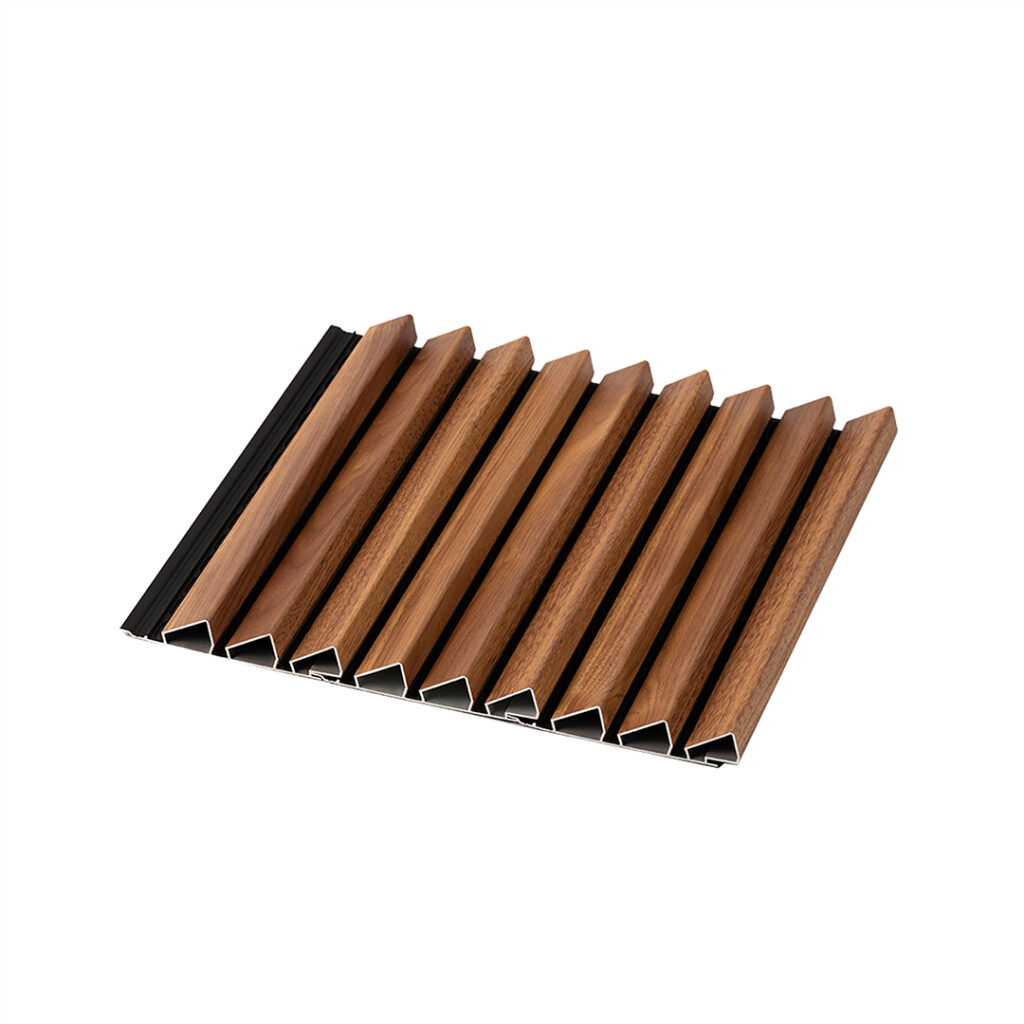
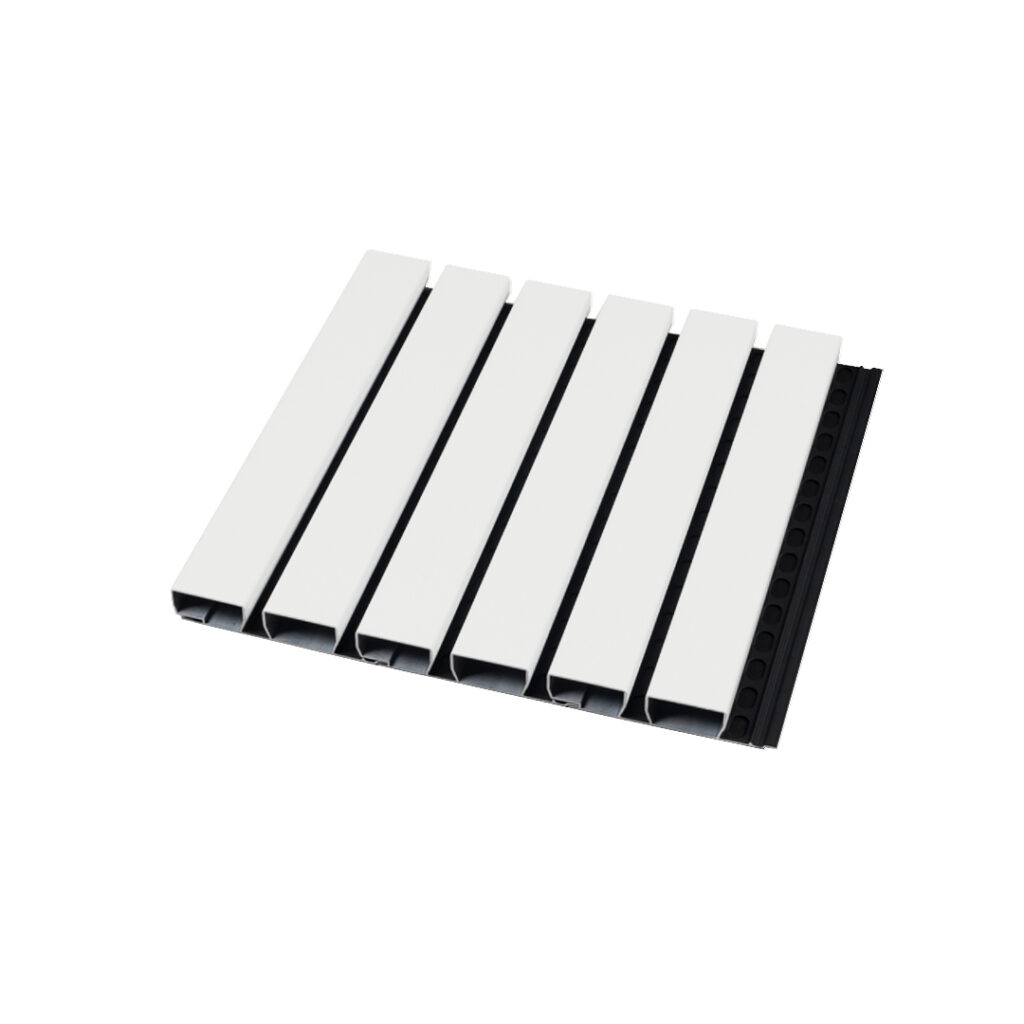
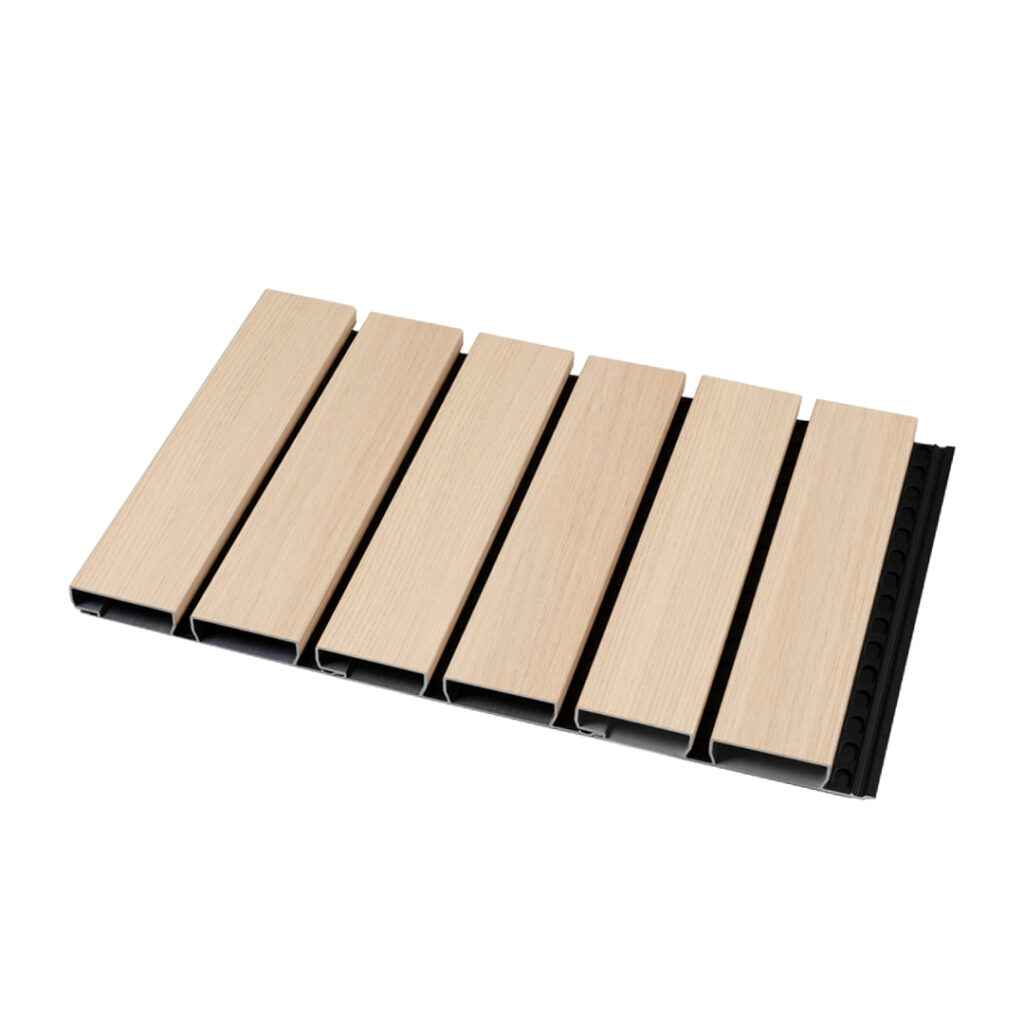
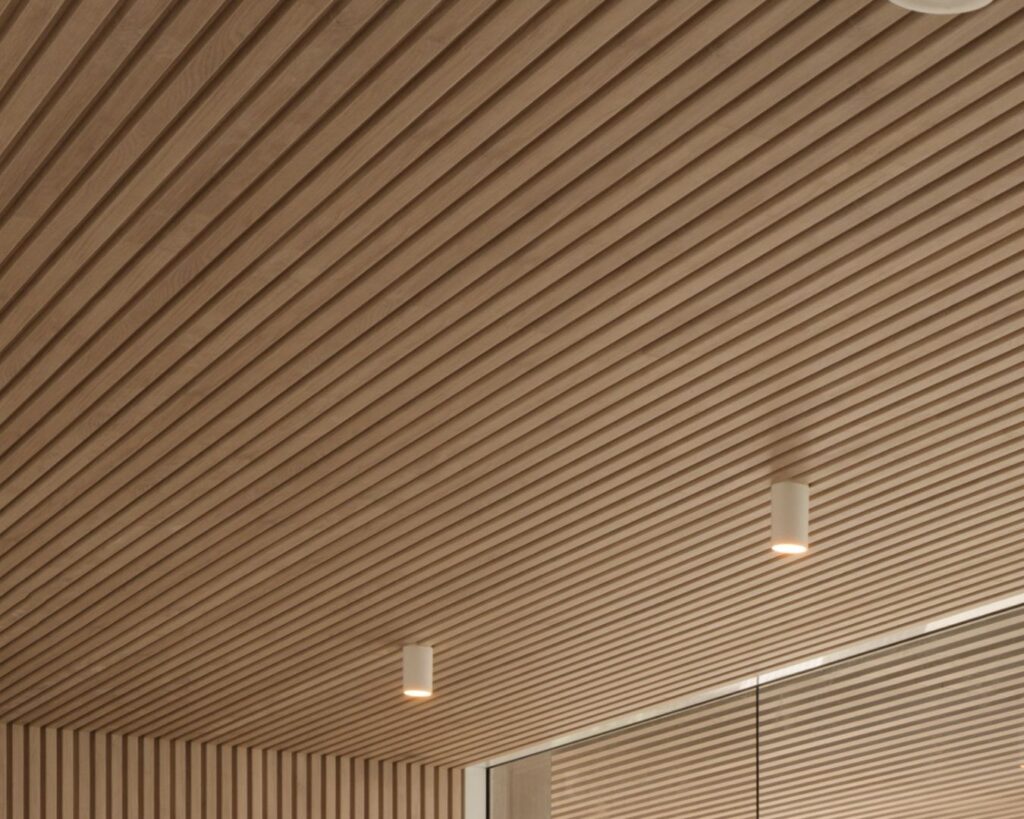
In open-plan offices, ceiling treatment typically delivers the greatest acoustic return because it addresses the largest reflective surface. Modulo® Acoustic profiles, including Dome, Louvre, Mesa, Linea 40, and Linea 65, are suited to ceiling installation and create a visually dynamic surface that reads as architectural rather than functional.

Wall treatment is particularly effective where hard surfaces face each other, opposite walls in a meeting room, or the wall behind a reception desk that faces a glass facade. Combining ceiling and wall treatment usually achieves the best outcome for speech intelligibility.

Oasis Bokarina Beach - wall panel image 2

The design case: why acoustic linings outperform acoustic tiles

Suspended acoustic tiles absorb sound effectively. They also tend to read as institutional. For premium commercial fitouts, hospitality, and education environments, acoustic timber panels deliver the same performance within a design language that supports the overall brief.

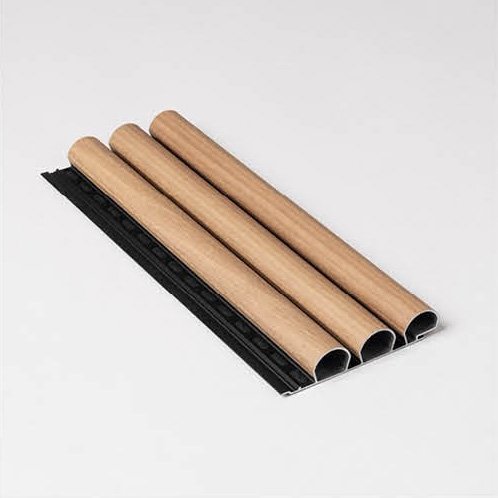
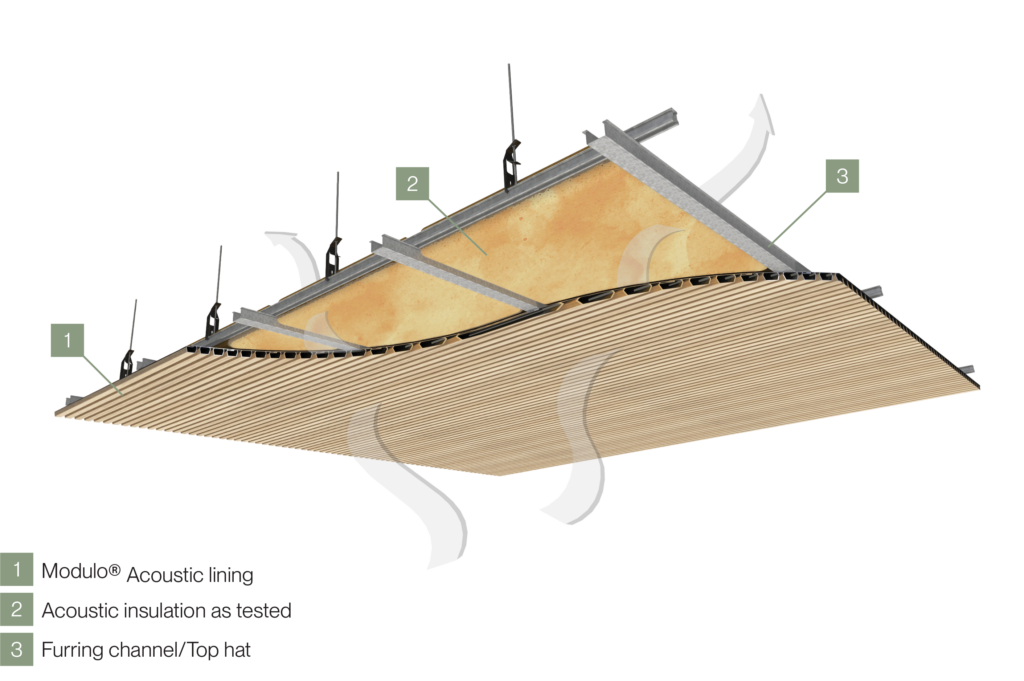
Modulo® Acoustic is prefinished, lightweight, and installs using standard top hat and furring channel; no proprietary fixing systems required. It works on walls, ceilings, and curved surfaces, giving designers the flexibility to treat the room without constraining the form.

Getting the brief right

Collaborating with an acoustic consultant early in the design process helps confirm NRC targets, surface area coverage requirements, and installation approach. Screenwood’s technical team can advise on product selection and provide acoustic performance documentation to support the specification.

Download the Screenwood Reverberation Guide at screenwood.com.au/reverberation-guide/ for a full walkthrough of acoustic design principles, NRC benchmarks, and product considerations.

ROPAN Financial Services Office - Wall panels image 7